
- admin
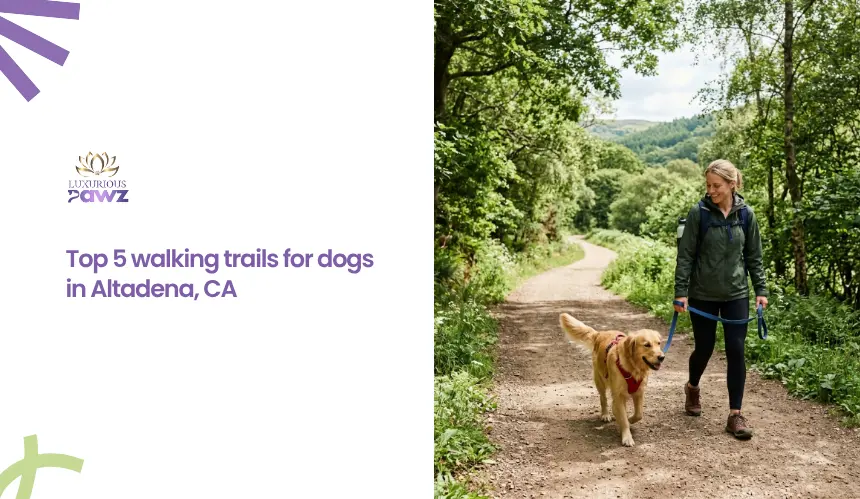
Top 5 walking trails for dogs in Altadena, CA
Key Takeaways
|
Altadena, CA, gives dog owners easy access to scenic foothill routes, shaded canyon paths, and peaceful outdoor spaces that make daily walks feel more refreshing than a standard neighborhood loop. For many pet parents, choosing the right trail is not only about distance or views but also about comfort, safety, leash control, terrain, and whether the route matches a dog’s energy level.
A good walking trail should feel enjoyable for both the owner and the dog, with enough space to move, safe conditions underfoot, and a setting that supports a relaxed outdoor experience. This blog discusses the top 5 walking trails for dogs in Altadena, CA.
What Makes A Trail Dog-Friendly In Altadena, CA?
A dog-friendly trail should match the owner’s control level and the dog’s physical limits. In Altadena, CA, foothill routes can shift from relaxed canyon paths to narrow, exposed, or high-traffic trails, so owners need to judge more than whether dogs are allowed.
How Do Leash Rules, Trail Width, And Shared-Use Paths Affect Dog Walks?
Leash rules shape how safely a dog can move through a trail environment. On shared-use routes, dogs may encounter hikers, cyclists, horses, children, and other pets in tight passing areas. A controlled leash reduces sudden movement and gives owners time to respond before a dog pulls, lunges, or blocks the path.
Trail width also matters because narrow sections leave little space for passing. Dogs that need personal space may feel pressured when people or bikes approach closely. Wider trails offer better visibility, easier passing, and fewer forced interactions.
Why Do Shade, Elevation, And Exposure Matter?
Altadena’s foothill terrain can make a short walk feel more demanding than expected. Elevation gain increases effort, while exposed sections can raise body temperature and paw discomfort. Shaded canyon routes are often more manageable for dogs that tire quickly, while open ridge-style trails require better stamina and cooler timing.
Owners should match trail exposure to the dog’s breed, coat type, age, and conditioning. A thick-coated or short-nosed dog may need a shaded route, while an athletic dog may handle a moderate climb more comfortably.
Why Should Owners Check Trail Conditions Before Visiting?
Trail conditions can change after rain, fire recovery work, erosion, or maintenance closures. A route that looks simple on a map may have blocked access, unstable footing, or restricted entry. Checking official trail alerts before leaving prevents unsafe choices and avoids arriving at a closed trailhead.
The Top 5 Walking Trails For Dogs In Altadena And Nearby Foothills
Altadena has several foothill routes that can work well for dog walks, but the best choice depends on trail status, dog stamina, terrain, shade, and crowd levels. Some popular routes are currently status-dependent because LA County and the U.S. Forest Service list Eaton Canyon, Chaney Trail, Lower Sam Merrill Trail, Echo Mountain Trail, and nearby affected areas under Eaton Fire closure restrictions through December 31, 2027, while Sunset Ridge Trail and Dawn Mine Trail are listed as reopened with access limitations.
1. Millard Canyon Falls Trail
Millard Canyon Falls Trail is one of the strongest choices for owners looking for a shorter, shaded dog walk near Altadena. The route follows a canyon setting with stream crossings, tree cover, and a waterfall destination, which makes it more comfortable for dogs than exposed ridge trails during mild conditions. HikingGuy lists the route as a 2.8-mile round trip with 560 feet of climbing, making it suitable for many dogs that can handle uneven ground and occasional wet footing.
This trail is best for dogs that enjoy slower canyon walks rather than long climbs. Owners should still carry water, use secure leash control near stream crossings, and avoid the route right after heavy rain because flash flood risk and slippery rocks can make the walk unsafe.
Do You Know? LA County lists Millard Canyon as a 1.5-mile out-and-back dog-friendly trail with an easy difficulty level and about 200 feet of elevation gain. It also notes that dogs must stay on leash, making it a practical choice for owners who want a shorter controlled walk near Altadena |
2. Sunset Ridge Trail To Dawn Mine
Sunset Ridge Trail to Dawn Mine is a better fit for active dogs with trail experience. It adds more mileage, elevation, and mixed terrain than a simple canyon walk, so it works best for dogs that already handle longer hikes without overheating or pulling. The U.S. Forest Service describes Sunset Trail as 2.2 miles with 1,198 feet of climbing, rocky sections, switchbacks, mountain bike traffic, and mostly unshaded exposure.
This route gives owners a more varied foothill experience, but it demands stronger pacing. Dogs need enough conditioning for uphill movement, exposed sections, and shared-use encounters. Poison oak is also present in the area, so owners should keep dogs close and check their coat and paws after the walk.
Dogs walking the Sunset Ridge Trail to Dawn Mine frequently accumulate fine decomposed granite dust and loose sediment on their paws due to the trail’s exposed terrain, uneven rocky switchbacks, and dry hillside surfaces common throughout the Angeles National Forest area near Altadena. Small gravel particles and trail debris can also become trapped between paw pads during longer hikes with elevation changes. Because of this, many pet owners schedule bathing services in Atlanta, CA after visiting the trail to remove embedded dirt, surface allergens, and loose undercoat buildup collected during the hike.
3. Brown Mountain / El Prieto Trail
Brown Mountain / El Prieto Trail is best for experienced owners and trail-ready dogs. The route combines canyon terrain, wooded sections, rocky footing, roots, stream crossings, and mountain bike activity. Hiking Project describes the loop as wooded with multiple stream crossings, but also rocky, rooty, and challenging uphill, which makes it less suitable for senior dogs, reactive dogs, or dogs new to hiking.
This trail works better as a controlled adventure than a casual walk. Dogs should be comfortable around bikes, able to maintain leash discipline on narrower sections, and fit enough for sustained movement through uneven terrain. Owners should plan extra time because technical footing can slow the pace.
4. Lower Sam Merrill Trail To Echo Mountain
Lower Sam Merrill Trail to Echo Mountain is a high-value route for fit dogs because it offers steady climbing, wide views, and a destination-style hike. However, it should be treated as a reopening-dependent option, not an immediate dog-walking recommendation, because the U.S. Forest Service currently lists Lower Sam Merrill Trail as closed due to the Eaton Fire.
When officially reopened, this route will be most appropriate for conditioned dogs that can manage a longer uphill effort. The grade, exposure, and popularity of the trail can create pressure points for dogs that overheat, pull hard, or become stressed around crowds.
5. Eaton Canyon Trail
Eaton Canyon Trail remains one of the most searched dog-friendly trail options near Altadena, but it should only be included as a future option once official access is restored. LA County states that Eaton Canyon Trail and Eaton Canyon Waterfall remain closed as part of the Eaton Fire recovery restrictions, so dog owners should not plan a visit until the closure is lifted.
After reopening, Eaton Canyon may again appeal to owners looking for a relatively accessible canyon walk with strong local recognition. Until then, including it responsibly means making the status clear, directing readers to official updates, and preventing unsafe or prohibited trail use.
Which Altadena Dog Trail Fits Your Dog’s Energy Level?

The best trail is the one a dog can complete without stress, overexertion, or unsafe behavior. Owners should choose based on stamina, training, age, and response to trail distractions.
What Are The Best Easy Walks For Casual Dogs And First-Timers?
Casual dogs and first-time trail dogs usually do better on shorter, shaded, lower-elevation routes. Millard Canyon Falls Trail can be a practical option when conditions allow because it offers a slower canyon-style walk rather than a long uphill push.
This type of route suits dogs that prefer sniffing, pausing, and steady movement. It also gives owners a better chance to assess how the dog handles natural surfaces before trying longer foothill trails.
What Trails Work Best For Energetic Dogs?
Energetic dogs may need routes with more distance, incline, and terrain variation. Sunset Ridge Trail to Dawn Mine and Brown Mountain / El Prieto Trail can fit active dogs that already handle longer walks, uneven ground, and controlled leash movement.
These routes should be chosen for conditioned dogs, not dogs that simply have high excitement. A suitable dog should recover well during breaks, follow leash direction, and stay manageable around other trail users.
Which Trails Should Certain Dogs Avoid?
Reactive, senior, short-nosed, overweight, or heat-sensitive dogs may struggle on steep, crowded, narrow, or exposed trails. Routes with fast bike traffic, long climbs, or limited passing space can increase stress and reduce owner control.
For these dogs, a shorter shaded route or a quiet local walk may be safer than a scenic foothill hike. The goal is not to choose the most popular trail, but the trail the dog can handle calmly from start to finish.
Dog Safety Tips For Altadena Trails
Altadena trails can expose dogs to wildlife, rough ground, and changing outdoor conditions. Safety depends on keeping the dog close, monitoring behavior, and responding before small risks become bigger problems.
Step-01: Watch For Rattlesnakes, Ticks, And Wildlife
Rattlesnakes can appear near rocks, brush, and warm trail edges. Dogs should stay close enough that owners can stop them from investigating movement, holes, or dense vegetation. A short leash is especially useful where visibility is limited.
Ticks may attach when dogs brush against grasses or canyon plants. After the walk, owners should check the ears, neck, belly, legs, and between the toes. Wildlife should always be treated as a distance hazard, not something for a dog to chase or inspect.
Do You Know? LA County warns that most rattlesnake bites happen between April and October. It also notes that snakes may sun themselves in cooler midmornings and become more active around dawn and dusk during summer, which makes leash control especially important on foothill trails. |
Step-02: Bring Enough Water For Trail Conditions
Dogs use more energy on dirt paths, climbs, and warm foothill routes than on a flat neighborhood walk. Owners should carry clean water and offer breaks before the dog shows heavy fatigue.
Natural water sources should not be treated as reliable or safe. A collapsible bowl gives better control over hydration and reduces the chance of a dog drinking from questionable runoff or stagnant water.
Step-03: Handle Rocky Sections And Stream Crossings Carefully
Rocky sections and stream crossings can create traction problems, especially for smaller dogs, senior dogs, or dogs with weak footing. Millard Canyon is a useful example because conditions may include wet rocks, uneven surfaces, and narrow movement points.
Owners should slow down before crossings and allow the dog to place its feet carefully. If the surface looks unstable, turning around is safer than forcing the dog through a risky section.
How To Plan A Smoother Dog Walk Before Leaving Home
A smoother trail walk depends on preparation before the dog reaches the trailhead. Owners should confirm logistics, plan the route realistically, and set up leash control before entering busy access areas.
1. Check Parking, Passes, And Trailhead Access
Parking rules, road access, and gate status can vary across Altadena trailheads. Owners should confirm where parking is allowed, whether a pass is required, and whether the chosen access point is open. This prevents last-minute rerouting and unsafe parking decisions.
2. Choose A Route That Fits Available Time
A dog walk can take longer than the listed trail distance suggests. Sniffing, breaks, elevation, passing other trail users, and return time can all slow the pace. Owners should choose a route that allows enough time to turn back without rushing.
3. Set Up Leash Control Before Starting
Dogs should be leashed and organized before leaving the parking area. Trailheads often include cars, other dogs, cyclists, and sudden foot traffic. A fixed-length leash gives better control than a retractable leash on narrow paths, especially when passing people or managing more than one dog.
After a good Altadena trail walk, your dog may bring home more than happy energy, dust, loose fur, burrs, muddy paws, and trail debris can settle deep into the coat. Luxurious Pawz helps keep that outdoor adventure from turning into skin irritation, matting, or mess at home with careful, comfort-focused grooming tailored to your pet’s coat and lifestyle. Book a grooming session after your next foothill outing and let your dog feel clean, fresh, and trail-ready again.
Frequently Asked Questions
Are dogs allowed off-leash on Altadena walking trails?
Most public trails around Altadena require dogs to stay leashed, even if the dog is trained. Leash rules protect dogs from wildlife, reduce conflicts with hikers and cyclists, and help owners maintain control on narrow or uneven trail sections. Owners should always confirm the posted rules at the trailhead before starting.
What should dog owners do if a trail is too crowded?
If a trail feels crowded, dog owners should shorten the leash, move to the side when safe, and avoid forcing close contact with other dogs. For reactive or nervous pets, turning around or choosing a quieter route is often safer than continuing through heavy foot traffic.
Can puppies go on Altadena hiking trails?
Puppies can use short, gentle trails once they are physically ready and cleared for outdoor exposure by a veterinarian. Long climbs, rocky footing, and hot trail surfaces can strain developing joints or paws. A brief shaded walk is usually better than a full foothill hike for young dogs.
What time of day is safest for walking dogs in Altadena?
Early morning is usually the safest time because temperatures are lower, trail surfaces are cooler, and many dogs have more energy. Late afternoon may work during mild seasons, but owners should avoid hot midday conditions, especially on exposed foothill routes where dogs can overheat quickly.
How can owners tell if their dog is getting tired on a trail?
Warning signs include heavy panting, slowing down, seeking shade, lagging behind, stumbling, refusing to continue, or repeatedly lying down. These signs mean the dog may need water, rest, or a turnaround. Owners should respond early rather than waiting until the dog is visibly exhausted.