
- admin
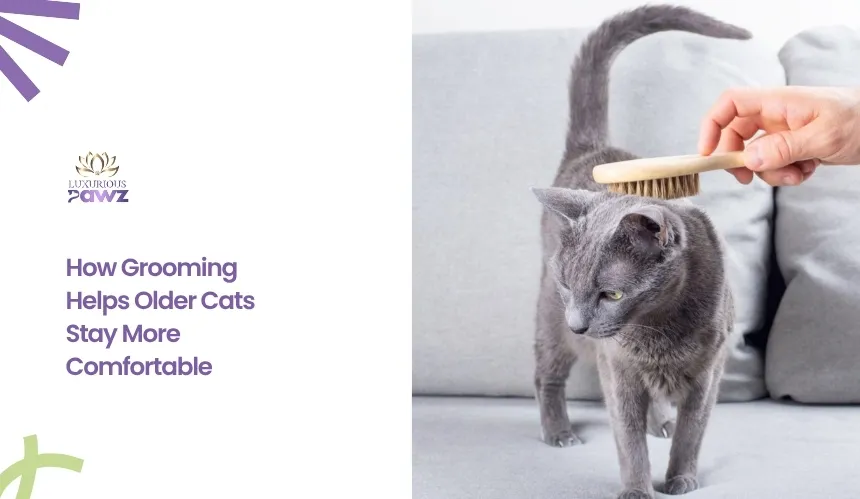
How Grooming Helps Older Cats Stay More Comfortable
Key Takeaways
|
As cats age, reduced mobility, changes in skin and coat condition, and slower self-grooming habits can make it harder for them to stay clean and comfortable. Without regular grooming, minor coat issues can develop into painful mats, skin irritation, or overgrown nails that affect daily movement. Consistent grooming supports a senior cat’s comfort while helping owners identify physical changes before they become more serious. For older cats in Eagle Rock, maintaining a gentle grooming routine can play an important role in long-term health and quality of life.
Why Older Cats Need More Grooming Support
As cats enter their senior years, natural physical changes affect how effectively they can care for themselves. Grooming becomes more than a hygiene routine because it helps compensate for age-related limitations that impact comfort and skin health.
Reduced Mobility Makes Self-Grooming Harder
Arthritis, joint stiffness, and reduced flexibility often limit a senior cat’s ability to reach certain areas of the body. The lower back, hips, chest, and underside commonly receive less attention, allowing loose hair, dirt, and oils to accumulate over time.
As neglected fur begins to tangle, mats can form close to the skin. These mats pull on the skin with every movement, creating discomfort and restricting natural motion even further. Regular brushing removes loose hair before it becomes compacted, helping older cats remain comfortable while reducing unnecessary strain during everyday activities.
Did You Know?
The 2021 AAHA/AAFP Feline Life Stage Guidelines state that reduced grooming in senior cats can be an early sign of pain, degenerative joint disease, reduced mobility, or underlying illness, rather than simply a normal part of aging. Changes in grooming habits are considered important clinical indicators during senior feline health assessments.
Coat and Skin Changes With Age
Aging affects both the skin and coat. Older cats may produce less natural oil, leading to drier skin and a duller coat. At the same time, slower cell turnover allows dead hair and debris to remain trapped in the fur for longer periods.
Routine grooming supports healthy skin by distributing natural oils evenly throughout the coat while removing loose fur, dander, and environmental debris. This keeps the coat cleaner, improves overall comfort, and reduces conditions that contribute to irritation or excessive shedding.
Older cats often spend time exploring patios, shaded gardens, and outdoor spaces before becoming less active with age, allowing dust, loose debris, and seasonal allergens to collect in their coats. As these cats grow older, regular cat grooming becomes especially valuable for pet owners in Eagle Rock, CA, where the warm, dry climate can contribute to dry skin and increased shedding throughout much of the year.
This is also true for nearby communities such as Highland Park, Glassell Park, and Mount Washington, where consistent grooming helps senior cats stay cleaner, more comfortable, and easier to monitor for age-related skin or coat changes.
How Regular Grooming Improves Comfort
Routine grooming addresses several physical changes associated with aging while helping senior cats maintain better daily comfort. Beyond keeping the coat tidy, it supports mobility, skin condition, and early health monitoring.
Prevents Matting and Skin Irritation
Matted fur traps moisture, dirt, and oils against the skin, creating friction that can lead to irritation or inflammation. In severe cases, mats may hide sores or infections that remain unnoticed beneath dense fur.
Regular brushing keeps the coat free from tangles before they tighten against the skin. For long-haired senior cats, consistent grooming significantly reduces the likelihood of painful mat formation while maintaining better airflow through the coat.
Although shedding is a natural process, cats in Eagle Rock often collect fine dust, pollen, and dry plant debris in their coats, particularly during the area’s extended warm seasons. Regular pet de-shedding helps remove loose undercoat before it builds up, keeping the coat cleaner while reducing the amount of hair and outdoor debris carried back into the home.
This can be particularly beneficial for pet owners in and around Atwater Village, Cypress Park, and Garvanza, where many cats enjoy supervised time in gardens, patios, or enclosed outdoor spaces throughout the year.
Supports Healthy Nails and Paw Comfort
Senior cats often scratch less frequently than younger cats, allowing nails to become overgrown. Long nails can curl into the paw pads or alter normal walking patterns, increasing discomfort and placing additional stress on already stiff joints.
Routine nail trimming helps maintain proper paw function while reducing the risk of snagging, splitting, or painful pressure during movement. Maintaining healthy paws also supports balance and stability as mobility naturally declines with age.
Senior cats living in Eagle Rock often spend time moving between hardwood floors, tile, patios, and outdoor walkways, where overgrown nails can reduce traction and place additional strain on aging joints. Regular pet nail trimming helps maintain stable footing while lowering the risk of nails catching on rugs, furniture, or textured outdoor surfaces.
This can be particularly beneficial for pet owners in nearby Montecito Heights, Lincoln Heights, and Los Feliz, where many homes feature a mix of indoor and outdoor living spaces that senior cats continue to explore at their own pace.
Did You Know?
Veterinary senior care guidelines note that older cats commonly develop thick, overgrown, and brittle claws because they scratch less frequently as they age. Regular nail maintenance helps prevent discomfort and supports healthier movement in senior cats.
Helps Detect Skin Changes Early
Hands-on grooming allows owners and professional groomers to notice physical changes that may otherwise remain hidden beneath the coat. Small lumps, skin irritation, parasites, unusual hair loss, or changes in coat texture become easier to identify during regular grooming sessions.
Early detection allows veterinary concerns to be addressed sooner, improving treatment options and helping prevent minor problems from becoming more serious health issues.
Did You Know?
The 2021 AAFP Senior Cat Guidelines recommend paying close attention to changes in a senior cat’s daily behaviours, including grooming, jumping, sleeping, and movement, because even subtle changes may help identify age-related health problems earlier.
Creating a Comfortable Grooming Routine for Senior Cats
Senior cats benefit most from grooming routines that prioritise patience, gentle handling, and consistency. Adjusting the grooming approach to suit an older cat’s physical condition reduces stress while supporting long-term comfort.
Signs Your Cat May Need Professional Grooming
Some grooming tasks become difficult to manage safely at home, particularly when mobility problems or severe matting are involved. Professional grooming may be beneficial if your senior cat experiences:
- Persistent matting that cannot be brushed out safely.
- Thick shedding that quickly returns after brushing.
- Overgrown nails that are difficult to trim.
- Greasy or unkempt fur despite regular grooming.
- Discomfort, resistance, or pain during home grooming.
For senior cats in Eagle Rock, experienced professional groomers understand how to adapt grooming techniques for aging pets, using gentle handling methods that minimise physical stress while addressing their changing needs.
Tips for Gentle Grooming at Home
A calm, predictable routine helps older cats tolerate grooming more comfortably. Short sessions are often more effective than attempting to complete every task at once.
Helpful practices include:
- Use a soft-bristle brush or grooming tool suited to your cat’s coat type.
- Groom during quiet periods when your cat is relaxed.
- Brush gently without pulling on tangles or sensitive areas.
- Check ears, paws, skin, and coat during each session.
- Reward calm behaviour to create positive associations with grooming.
For many senior cats in Eagle Rock, combining gentle home care with occasional professional grooming provides the most comfortable balance for maintaining healthy skin, coat condition, and overall well-being.
Keeping senior cats comfortable often requires extra care as age-related changes make self-grooming more difficult. Professional cat grooming helps maintain a healthy coat, manage nail growth, and identify skin or coat concerns before they become more serious.
At Luxurious Pawz, experienced groomers provide gentle, personalized care tailored to the unique needs of older cats, proudly serving Eagle Rock and the surrounding Northeast Los Angeles and San Gabriel Valley communities. Contact Luxurious Pawz today to schedule an appointment and help your senior cat stay clean, comfortable, and healthy throughout every stage of life.
Frequently Asked Questions
How often should an older cat be groomed?
Most senior cats benefit from brushing several times a week, while long-haired breeds may require daily grooming. Professional grooming frequency depends on coat type, mobility, and overall health.
Why do older cats stop grooming themselves?
Joint pain, arthritis, reduced flexibility, dental discomfort, and age-related health conditions can make self-grooming difficult or uncomfortable.
Can grooming help cats with arthritis?
Yes. Regular grooming removes loose hair and prevents mats that can pull on sensitive skin, reducing additional discomfort for cats already dealing with joint stiffness.
What are the signs that a senior cat needs professional grooming?
Severe matting, overgrown nails, greasy fur, heavy shedding, skin irritation, or difficulty grooming at home are common indicators that professional assistance may be beneficial.
Is bathing necessary for older cats?
Healthy senior cats generally do not require frequent baths. Bathing is usually recommended only when advised by a veterinarian or when the coat cannot be kept clean through brushing alone.
Does regular grooming improve a senior cat's overall health?
Yes. Routine grooming supports healthy skin, coat condition, nail maintenance, and early detection of physical changes that may require veterinary attention, contributing to better long-term well-being.