
- admin
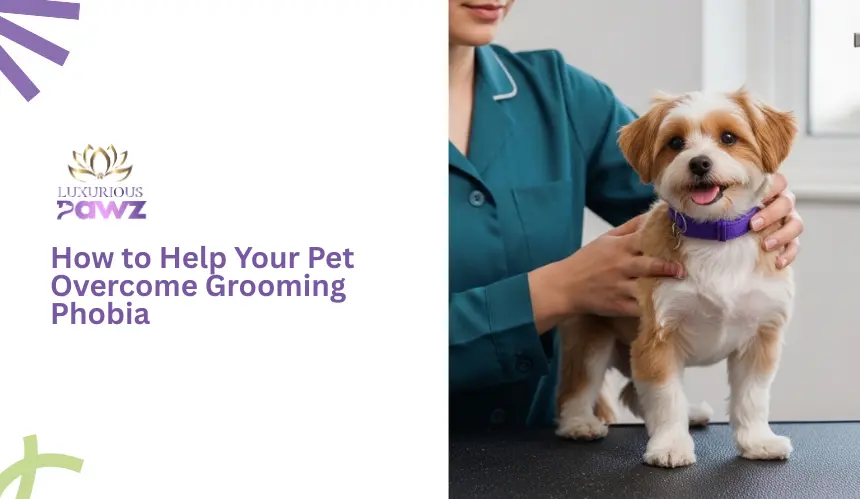
How to Help Your Pet Overcome Grooming Phobia
Key Takeaways:
|
If your dog hides when you pick up the nail clippers or your cat bolts at the sound of running water, you are not alone. Grooming phobia is a real behavioral issue driven by fear conditioning, sensory sensitivity, or past negative experiences. It is not stubbornness or disobedience. It is a stress response triggered by the nervous system. This guide explains why grooming anxiety develops, how to recognize clinical signs of fear, and how to use structured desensitization to help your pet feel safe during grooming.
What Is Grooming Phobia in Pets?
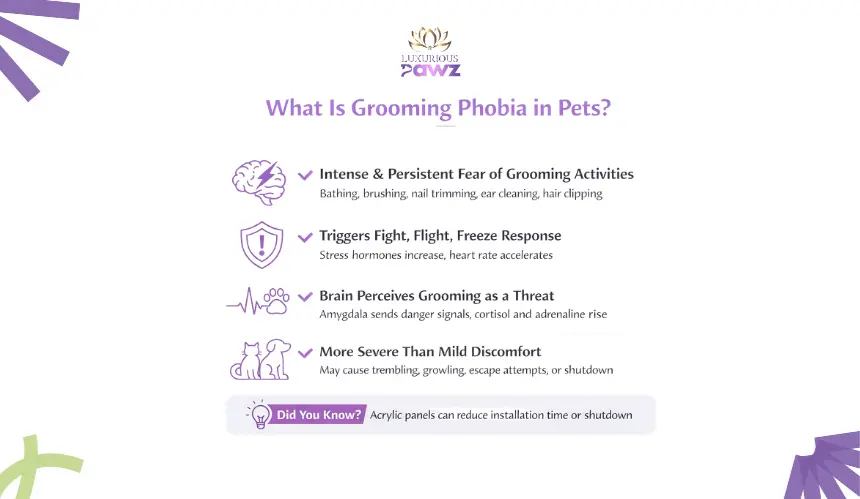
Grooming phobia is a persistent and intense fear associated with grooming activities such as bathing, brushing, nail trimming, ear cleaning, or hair clipping. Unlike mild resistance, a phobia activates the fight, flight, or freeze response.
When a pet perceives grooming as a threat, the amygdala signals danger. Stress hormones such as cortisol and adrenaline increase. Heart rate accelerates. Muscles tense. Repeated negative exposure strengthens neural pathways connected to fear memory.
A pet with mild discomfort may pull a paw away. A pet with a grooming phobia may tremble, growl, attempt escape, or shut down completely.
Why Is My Pet Scared of Grooming?
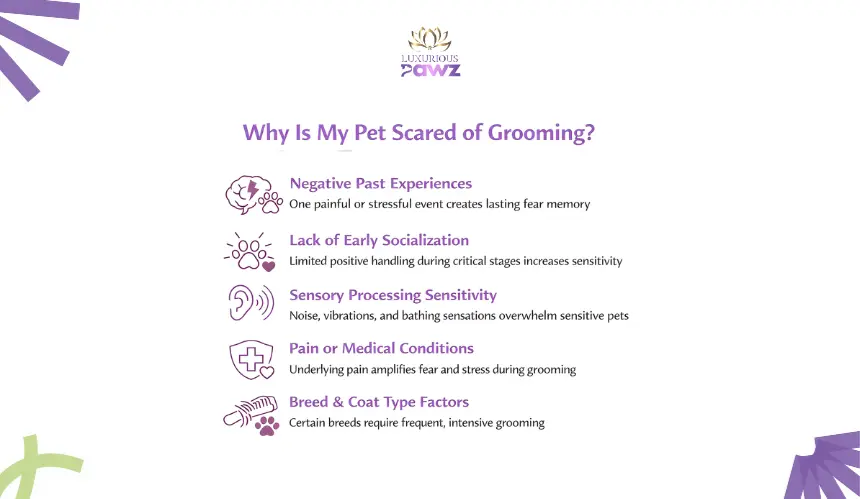
Grooming can overwhelm pets because it combines physical restraint, close body contact, unfamiliar tools, and unpredictable sensations in a short period of time. For some animals, this intense combination activates survival instincts, especially if they feel trapped or overstimulated. Identifying the specific trigger behind your pet’s reaction helps you choose the right behavioral strategy and prevents the fear from becoming more deeply conditioned over time.
Negative Past Experiences
A single painful nail trim or an overheated blow dryer can create a lasting negative association. Animals learn through associative conditioning, meaning one unpleasant event can link tools, locations, and even specific people to fear.
If grooming once caused pain or intense stress, the brain stores that memory as a protective mechanism. The next time the tool appears, the stress response activates immediately, even before grooming begins.
Fact: Studies in animal behavior show that dogs can form long-term fear associations after just one negative high-stress event, especially if cortisol levels spike during the experience. This emphasizes, how quickly the brain forms long-term threat associations |
Lack of Early Socialization
Pets go through critical developmental windows where exposure shapes long-term behavior. Limited positive handling during these stages can increase sensitivity to touch later in life.
If grooming sensations were never introduced gradually during early development, the experience may feel unfamiliar and threatening. Early exposure plays a major role in long-term emotional resilience.
Sensory Processing Sensitivity
Clippers vibrate against the skin. Dryers produce high-frequency sound. Running water creates unpredictable tactile stimulation. Some pets have heightened sensory perception, making these experiences overwhelming.
Dogs and cats with noise sensitivity or tactile defensiveness may interpret normal grooming sensations as distressing stimuli. This is particularly common in anxious or high-alert temperaments.
Fact: Dogs can hear frequencies up to 65,000 Hz, which is significantly higher than humans, making grooming tools like clippers and dryers much louder and more intense for them. This demonstrates that it is essential that a dog is calm before grooming. |
Pain or Medical Conditions
Underlying medical issues often contribute to grooming fear. Arthritis can make certain positions painful. Skin infections increase sensitivity to brushing. Ear inflammation makes cleaning uncomfortable.
If grooming consistently causes discomfort due to untreated pain, the pet will begin to anticipate distress. Addressing medical causes is essential before starting behavioral retraining.
Breed and Coat Type Factors
Certain breeds require frequent and intensive grooming. Double-coated dogs need regular brushing to prevent matting. Long-haired cats are prone to tangles that pull on the skin.
More frequent grooming increases exposure to potentially stressful stimuli. Without gradual conditioning, the required maintenance itself can become a trigger for anxiety.
Signs Your Pet Has Grooming Pet
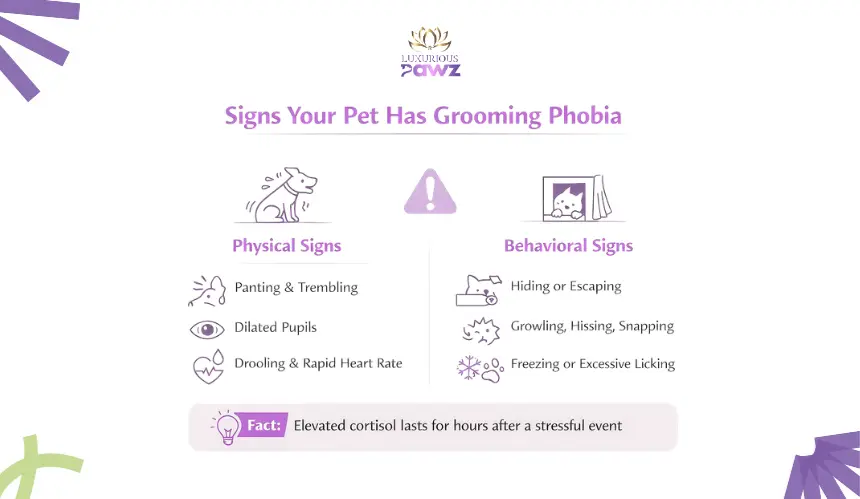
Recognizing early warning signs helps you step in before stress develops into defensive aggression or long-term fear conditioning. Monitoring both physical and behavioral changes gives you a clearer picture of your pet’s emotional state during grooming sessions.
Category | Sign | Indication |
Physical | Panting unrelated to heat | Panting unrelated to heat |
Physical | Dilated pupils | Heightened alertness and nervous system activation |
Physical | Trembling or shaking | Fear-based muscle tension |
Physical | Drooling excessively | Anxiety-driven salivation response |
Physical | Increased shedding | Acute stress response in dogs |
Physical | Rapid breathing or elevated heart rate | Activation of the sympathetic nervous system |
Behavioral | Hiding at the sight of tools | Anticipatory avoidance behavior |
Behavioral | Growling, hissing, snapping | Defensive reaction to perceived threat |
Behavioral | Repeated escape attempts | Strong desire to remove themselves from the situation |
Behavioral | Freezing or stiff posture | Fear-based shutdown response |
Behavioral | Excessive self-licking after grooming | Residual stress and self-soothing behavior. |
Fact: Elevated cortisol levels in dogs can remain in the bloodstream for hours after a stressful event, meaning anxiety may continue even after grooming ends. It explains why some pets seem unsettled even after the session is over, increasing the article’s behavioral authority. |
How to Calm a Dog Before Grooming
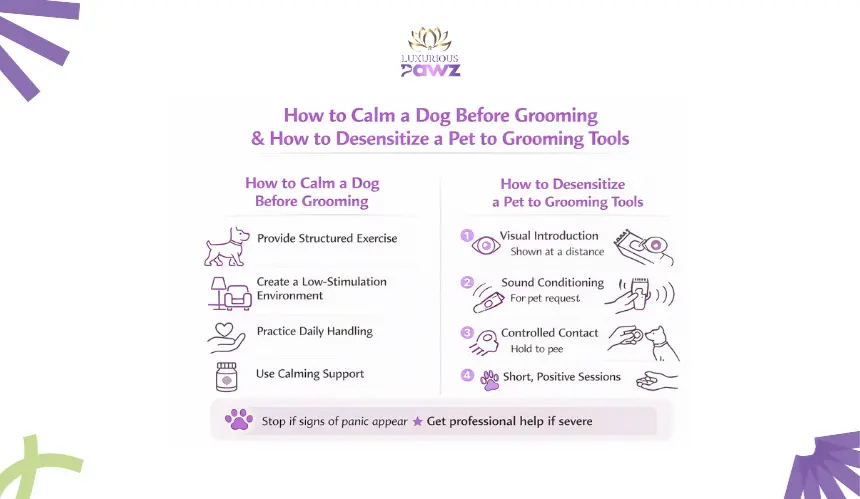
Preparing your dog emotionally before a grooming session can make a noticeable difference in how smoothly the process goes. Instead of starting abruptly, focus on creating a relaxed mental state through routine, energy release, and positive interaction. When a dog feels secure and balanced beforehand, they are far more likely to cooperate and remain steady during handling.
Provide Structured Exercise
Taking your dog for a brisk walk, playing fetch, or offering interactive puzzle toys before grooming helps burn excess energy that might otherwise show up as resistance. Movement encourages the release of feel-good neurotransmitters, which support mood stability and reduce hyperactivity.
When a dog has already released built-up tension, their body is less reactive to minor stressors. A balanced energy level makes it easier for them to remain patient during brushing, nail trimming, or bathing. Even 15 to 20 minutes of structured activity can significantly improve cooperation.
Create a Low-Stimulation Environment
A calm setting plays a powerful role in shaping your dog’s emotional response. Turn off televisions, loud appliances, and anything that produces sudden or sharp sounds. Select a quiet, familiar space where your dog already feels comfortable and secure.
Use soft lighting rather than harsh overhead lights, and speak in a steady, reassuring tone. Dogs are highly sensitive to environmental cues, and a predictable atmosphere reduces uncertainty. When the surroundings feel stable, anticipatory tension decreases and focus improves.
Use Calming Support
Certain veterinarian-approved supplements, including those containing L-theanine or alpha-casozepine, may assist with relaxation by supporting balanced brain chemistry. Pheromone diffusers designed for dogs release synthetic signals that mimic natural calming messages.
These options can gently lower stress levels without sedation when used appropriately. While they are not substitutes for behavioral training, they can enhance emotional stability during gradual grooming exposure.
Practice Daily Handling
Incorporate gentle touch into everyday interactions, focusing on paws, ears, tail, and muzzle. Keep these moments short and positive, without introducing grooming tools initially.
Pair each touch with praise, treats, or calm verbal reinforcement so your dog begins to associate handling with reward rather than restraint. Over time, this consistent positive exposure strengthens trust and prepares your dog for more structured grooming sessions.
How to Desensitize a Pet to Grooming Tools
Desensitization and counterconditioning are evidence-based behavioral modification techniques.
Step 1: Visual Introduction
Place the grooming tool in the room without using it so your pet can observe it safely.Reward calm behavior immediately to reinforce neutrality. Repeat daily until the tool no longer triggers avoidance or tension. This step builds a non-threatening visual association.
Step 2: Sound Conditioning
Turn clippers on briefly at a distance without approaching your pet. Pair the sound instantly with a high-value reward. Gradually decrease the distance across sessions as tolerance improves. This retrains the brain to link sound with positive outcomes.
Step 3: Controlled Contact
Gently touch the tool to your pet without performing the grooming action. Observe body language and reward relaxed posture. Keep contact brief and calm to avoid overstimulation.
This step strengthens safe physical association.
Step 4: Short, Positive Sessions
Begin with one nail trim or one brush stroke only. Stop before stress signals appear. End the session with praise or a reward. Repeated short successes reshape emotional memory.
Use Non-Slip Mats to Provide Stable Footing: Non-slip mats are textured surfaces placed under your pet to prevent slipping and increase physical stability during grooming.
Choose Low-Noise Clippers Designed for Sensitive Pets: Low-noise clippers are grooming tools engineered to minimize sound and vibration to reduce sensory stress.
- Keep Sessions Short Initially: Short grooming sessions involve limiting handling time to prevent overwhelming your pet and to build gradual tolerance.
- Monitor Body Language Continuously: Monitoring body language means observing subtle physical and facial cues that signal stress or discomfort.
- Stop Immediately If Signs of Panic Appear: Stopping immediately refers to ending the session at the first clear signs of intense fear to prevent reinforcing negative associations.
Can Grooming Trauma Cause Long-Term Anxiety?
Yes. A traumatic grooming event can create long-lasting behavioral imprinting. The brain stores fear memories in the amygdala, making future exposure trigger rapid stress responses.
Recovery depends on:
- Severity of the original experience
- Consistency of retraining
- Overall temperament
- Environmental stability
With structured counterconditioning, many pets show measurable improvement within several weeks. Severe cases may require professional intervention.
When Should You Seek Professional Help?
Consult a veterinarian or veterinary behaviorist if you notice:
- Intense aggression during grooming
- Self-injury attempts
- Panic attacks
- Persistent stress despite training
Medical evaluation is important to rule out pain-related causes. In some cases, short-term anti-anxiety medication may support behavioral therapy under veterinary supervision.
Professional groomers trained in fear-free handling techniques can also reduce stress significantly.
Breed-Specific Grooming Sensitivities
Different breeds have unique coat types, skin structures, and energy levels that influence how they experience grooming. Understanding these biological and behavioral differences helps you tailor your approach and prevent unnecessary stress.
Double-Coated Breeds
Double-coated breeds such as Huskies, Golden Retrievers, and German Shepherds have a dense undercoat beneath a protective topcoat. Regular brushing is necessary to remove loose fur, prevent matting, and maintain healthy skin circulation.
Because grooming sessions can take longer due to coat thickness, gradual tool introduction is essential. Slow, consistent exposure prevents overstimulation and reduces resistance during seasonal shedding periods.
Long-Haired Cats
Breeds like Persians and Maine Coons are prone to tangles and mat formation if not brushed frequently. Mats can pull tightly on the skin, causing discomfort and increasing grooming avoidance.
Daily gentle brushing keeps the coat manageable and prevents painful detangling sessions. Consistent, calm handling helps maintain positive grooming associations.
Skin-Fold Breeds
Bulldogs, Pugs, and Shar-Peis have prominent skin folds that trap moisture and debris. Regular wrinkle cleaning prevents irritation, bacterial buildup, and skin infections.
Because these areas are sensitive, conditioning must be gradual and gentle. Slow exposure and reward-based handling reduce discomfort-related resistance.
High-Energy Breeds
Breeds such as Border Collies and Australian Shepherds often have elevated activity levels. High arousal can make it difficult for them to remain still during grooming.
Providing structured exercise before sessions lowers excess energy and improves focus. A physically satisfied dog is more likely to tolerate close handling calmly.
Frequently Asked Questions
Can weather changes affect my pet’s grooming anxiety?
Yes, seasonal changes can influence behavior. During shedding seasons, increased brushing frequency may heighten sensitivity, while colder months can make pets more reactive to bathing due to temperature discomfort.
Does the time of day impact grooming behavior?
Some pets are calmer during specific times of the day. Grooming when your pet is naturally relaxed, such as after a meal or evening walk, may improve cooperation compared to high-energy periods.
Can diet influence stress levels during grooming?
Nutrition plays a role in overall mood regulation. Diets lacking essential fatty acids or balanced nutrients may contribute to skin sensitivity or irritability, which can indirectly affect grooming tolerance.
Are certain grooming scents stressful for pets?
Strong fragrances in shampoos or sprays can overwhelm a pet’s sensitive sense of smell. Using mild, unscented, pet-safe grooming products may reduce sensory discomfort.
Can changes in household routine trigger grooming resistance?
Yes, disruptions such as moving homes, new family members, or altered schedules can elevate baseline anxiety. Increased stress from environmental changes may lower tolerance during grooming.
Is professional mobile grooming better for anxious pets?
For some animals, mobile grooming reduces stress because it eliminates travel and exposure to unfamiliar animals. However, individual temperament determines whether this option is beneficial.