
- admin
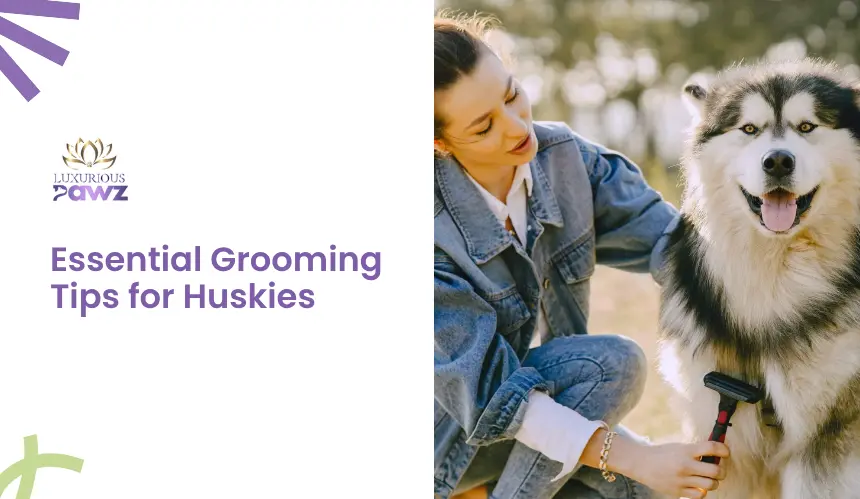
Essential Grooming Tips for Huskies
Key Takeaways
|
The Siberian Husky is known for its thick double coat and striking appearance. Although naturally clean, this breed still needs regular grooming to keep the coat in good condition and easier to manage. In this guide, you will learn how to brush, bathe, and care for a Husky’s coat properly throughout the year.
Understanding the Husky Coat
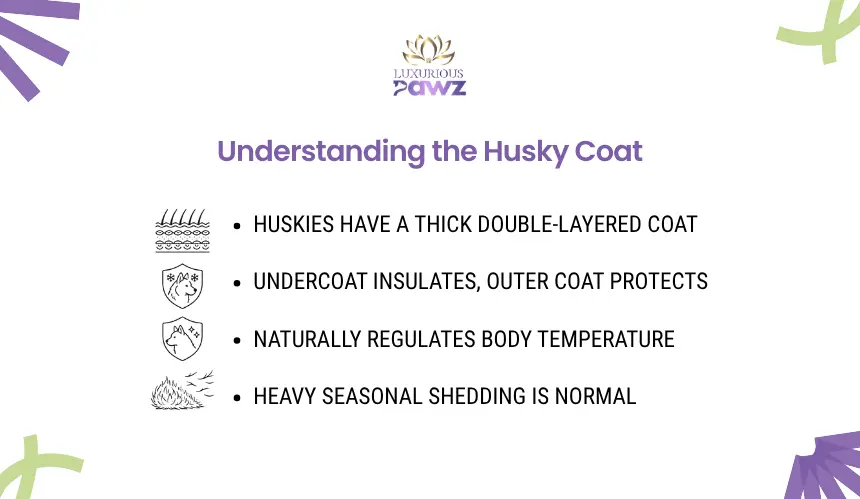
The Siberian Husky has a thick double coat made up of a soft insulating undercoat and a coarse outer coat that repels dirt and moisture. This coat helps regulate body temperature in all seasons, but also leads to heavy shedding, especially during “blowing coat” periods. Understanding this is key to using the right grooming methods and keeping your Husky healthy and comfortable.
Double Coat Explained
The Siberian Husky has a double coat made of two layers. The undercoat is soft and dense, designed to trap heat and keep the dog insulated in cold weather. The outer coat is made of longer, coarser guard hairs that protect against dirt, moisture, and wind. Together, these layers help Huskies adapt to extreme climates and regulate their body temperature naturally.
Seasonal Shedding (Blowing Coat)
Huskies naturally go through heavy shedding periods, often called “blowing coat,” usually during seasonal transitions. During this time, large amounts of undercoat are released over several weeks, leading to noticeable fur loss. This is normal, but it does mean grooming needs to become more frequent and more thorough.
Why Grooming Matters
Regular grooming helps keep a Husky’s dense coat manageable by removing trapped fur and surface debris before buildup becomes harder to handle. It also supports coat condition and helps owners notice changes in the skin or fur more quickly.
Fact Box: The skin is one of the dog’s most important protective systems. Merck Veterinary Manual states that the skin is the largest organ of the body and can account for 12% to 24% of body weight, depending on age and species. |
Brushing Your Husky Properly
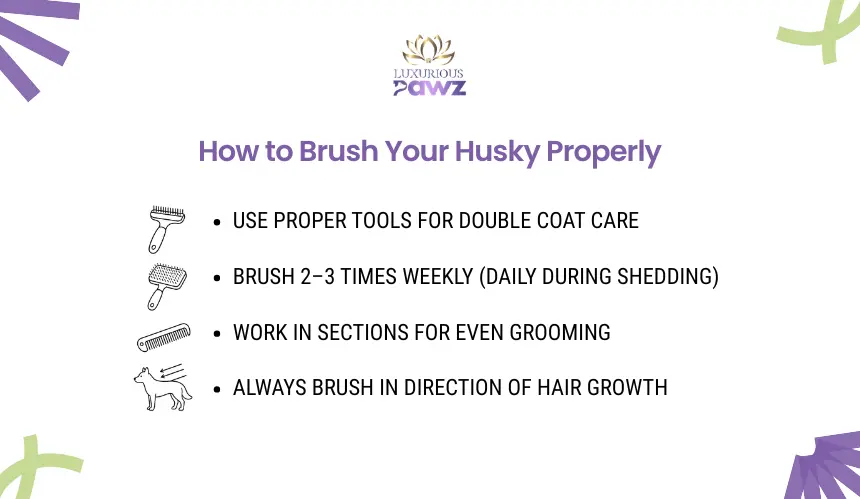
Brushing is one of the most important parts of Husky coat care because it helps manage the dense undercoat and remove loose shedding fur before it builds up. When done consistently, it keeps the coat more even, easier to handle, and better maintained between baths.
Best Brushes for Huskies
The Siberian Husky has a dense double coat, so using the right tools is essential. The most effective grooming tools include an undercoat rake, which removes loose fur from the thick inner layer, a slicker brush for detangling and smoothing the topcoat, and a wide-tooth comb for finishing and checking for any remaining knots. Using proper tools ensures you remove excess fur without damaging the natural coat structure.
How Often to Brush
Huskies should usually be brushed 2 to 3 times a week during normal periods. During heavy shedding seasons, daily brushing is often needed to remove released undercoat before it collects in the coat or around the home.
Step-by-Step Brushing Technique
Start by using an undercoat rake to gently remove loose fur from the dense underlayer. Next, use a slicker brush to smooth the outer coat and remove any remaining loose hair. Always brush in the direction of hair growth to avoid discomfort. Work in small sections, paying extra attention to areas like the neck, legs, and tail where shedding is often heavier. Finish with a comb to ensure the coat is fully detangled and even.
Do You Know? Regular grooming does more than remove loose hair. VCA notes that brushing helps remove dead skin cells, clear debris, and distribute natural skin oils along the hair shaft, which supports coat shine and skin health. |
Bathing Guidelines for Huskies
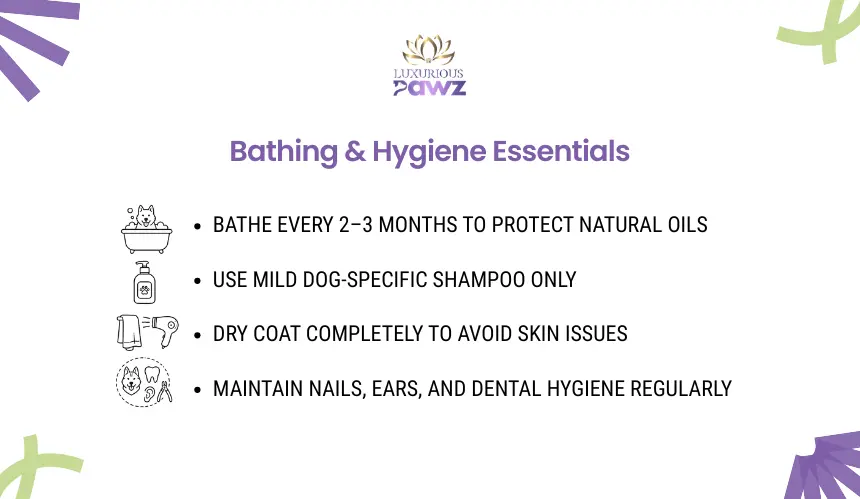
The Siberian Husky does not need frequent baths due to its naturally clean, self-maintaining double coat. Proper bathing is about balance keeping the coat clean without stripping essential oils.
Topic | Explanation |
How Often Should You Bathe a Husky? | Huskies typically only need a bath every 2–3 months unless they get unusually dirty or smelly. Over-bathing can remove natural oils that protect their skin and coat, leading to dryness and irritation. |
Choosing the Right Shampoo | Use a mild, dog-specific shampoo designed for sensitive skin or double-coated breeds. Avoid human shampoos or harsh chemicals, as they can damage the coat and disrupt the skin’s natural balance. |
Proper Drying Techniques | After bathing, thoroughly dry the Husky using towels first, then a cool or low-heat blow dryer if needed. Ensure the undercoat is completely dry to prevent dampness, which can cause odor or skin issues. |
Nail, Ear, and Dental Care for Huskies
Proper hygiene care goes beyond coat maintenance for the Siberian Husky. Regular attention to nails, ears, and teeth is essential for preventing discomfort, infections, and long-term health issues. While Huskies are active and often maintain themselves naturally to some extent, these areas still require routine care to ensure overall well-being and comfort.
Nail Trimming Tips
Regular nail trimming helps keep a Husky comfortable and supports normal movement. Nails are usually ready to be trimmed every 3 to 4 weeks, and clicking sounds on hard floors are often a sign they have become too long.
- Trim nails every 3–4 weeks
- Listen for clicking sounds on hard floors
- Use proper dog nail clippers
- Avoid cutting into the quick
Ear Cleaning Routine
A Husky’s ears should be checked regularly for dirt, wax buildup, or redness. Cleaning should be done only when needed and always with a gentle, pet-safe approach.
- Check ears weekly for dirt, wax, or redness
- Clean only when needed using a vet-approved ear cleaner
- Gently wipe the outer ear avoid inserting anything deep inside
- Watch for signs of infection like bad smell or excessive scratching
Dental Hygiene Importance
Dental care is an important part of a Husky’s overall health. Regular oral care helps reduce plaque buildup, supports gum health, and lowers the risk of dental disease over time.
- Brush teeth 2–3 times per week to prevent plaque buildup
- Use dog-safe toothpaste (never human toothpaste)
- Provide dental chews to support oral health
- Maintain regular cleaning to avoid bad breath and gum disease
Do You Know? AAHA states that by three years of age, most dogs and cats have some level of periodontal disease, which often goes unnoticed by owners in the early stages. |
Managing Husky Shedding Effectively
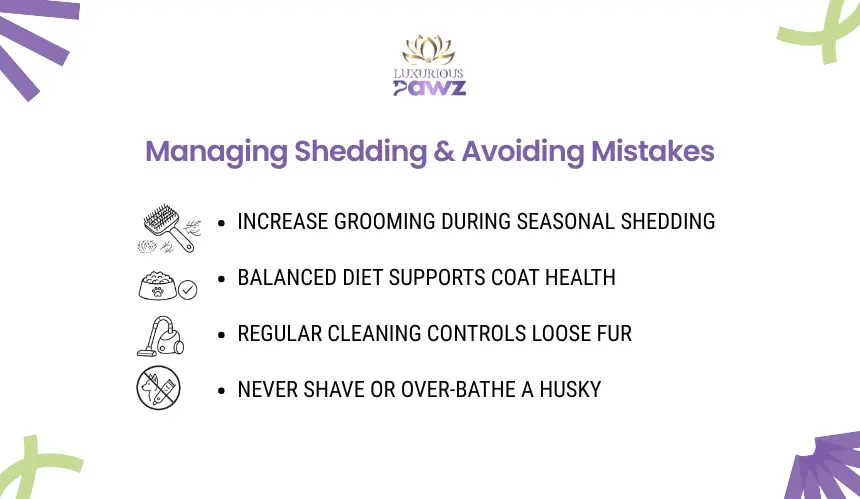
Shedding is a normal part of Husky coat maintenance, especially because of the breed’s thick undercoat. While it cannot be eliminated, it can be managed more effectively with the right grooming habits, nutrition, and cleaning routine.
Seasonal Grooming Adjustments
During spring and autumn, Huskies often release much more undercoat than usual. At these times, grooming sessions should become more frequent so loose fur does not build up in the coat or spread excessively through the home.
Diet and Coat Health
A balanced diet plays a major role in controlling shedding and maintaining a healthy coat. Huskies benefit from high-quality dog food rich in protein, omega-3, and omega-6 fatty acids, which support skin health and reduce excessive hair loss. Proper hydration is also important, as dehydration can lead to dry skin and increased shedding. A strong nutritional foundation helps keep the coat shiny, smooth, and less prone to breakage.
Home Cleaning Tips
Managing Husky shedding also requires consistent home maintenance. Regular vacuuming helps control loose fur on carpets, sofas, and floors. Using lint rollers on clothing and furniture can quickly remove stray hair. Washing dog bedding frequently prevents buildup of fur and odor. Grooming your Husky outdoors when possible also helps reduce mess inside the house.
Common Mistakes While Grooming a Husky
Grooming mistakes can affect a Husky’s coat condition and overall comfort, especially when the double coat is handled incorrectly. Knowing what to avoid helps owners maintain the coat more safely and effectively.
Never Shaving a Husky
A Husky should not be shaved because its double coat helps protect the skin and supports natural temperature regulation. Removing that coat can leave the dog more exposed to sun, heat, and coat regrowth problems later.
- Increases risk of sunburn
- Can affect normal coat regrowth
- May lead to uneven or patchy fur
Do You Know? American Kennel Club guidance notes that shaving a double-coated dog can remove its insulating protection, increase sunburn risk, and may even lead to improper or patchy regrowth. |
Over-Bathing Issues
Bathing too often can work against a Husky’s coat by making the skin drier and the fur harder to maintain. Most Huskies do better with occasional baths rather than frequent washing.
- Strips natural oils from coat
- Can lead to dryness and irritation
- Occasional bathing is usually enough
Using Wrong Tools
Using the wrong grooming tools can make coat care less effective and more uncomfortable for the dog. Tools that are too harsh or poorly suited to double coats may pull hair, irritate the skin, or disturb the coat’s texture.
- Can pull or damage fur
- May irritate sensitive skin
- Use undercoat rakes and slicker brushes instead
Environmental Challenges for Huskies
The environmental conditions across Altadena, CA, Pasadena, CA, Glendale, CA, Burbank, CA, Eagle Rock, CA, and Highland Park, CA can be difficult for the Siberian Husky due to hot weather, urban heat, and air pollution. These factors increase the risk of overheating, especially during daytime walks, and can also affect breathing in poor air quality. As a result, Huskies in these areas need careful heat management and should be exercised during cooler parts of the day.
In La Cañada Flintridge, CA, La Crescenta, CA, Montrose, CA, Tujunga, CA, Shadow Hills, CA, and Sunland, CA, conditions are slightly cooler but still include dry heat and seasonal wildfire smoke. While these areas offer more open space, Huskies can still struggle in high temperatures and poor air quality events. Proper hydration, shade, and limited outdoor activity during extreme weather are essential for their safety.
Give your dog the care they truly deserve with Luxurious Pawz, where grooming meets comfort and quality. Designed to keep your pet’s coat healthy, soft, and beautifully maintained, Luxurious Pawz offers professional care that goes beyond basic grooming ensuring your dog feels clean, relaxed, and confident after every session. Whether it’s routine maintenance or deep coat care, this is where your pet gets the premium treatment it deserves.
Frequently Asked Questions
How long does a full Husky grooming session usually take?
A full Husky grooming session can take anywhere from 1 to 3 hours depending on the condition of the coat, the amount of shedding, and whether bathing is included. During blowing coat season, grooming may take longer because the loose undercoat needs extra attention. Regular maintenance usually makes each session faster and easier.
Can Huskies be professionally groomed even if they are naturally clean?
Yes, Huskies can benefit greatly from professional grooming even though they are naturally clean dogs. Professional groomers use proper tools and techniques to remove loose undercoat, clean hard-to-reach areas, and maintain the coat without damaging its natural structure. This can be especially helpful during heavy shedding seasons.
At what age should Husky grooming begin?
Husky grooming should begin when the dog is still a puppy so it becomes comfortable with brushing, nail trimming, ear checks, and bathing. Early introduction helps the dog stay calm during grooming sessions later in life. Starting young also builds a routine that makes coat care much easier to manage.
Can stress affect a Husky’s shedding?
Yes, stress can sometimes increase shedding in Huskies. Changes in environment, poor routine, lack of exercise, illness, or anxiety may affect coat condition and cause more hair loss than usual. If shedding suddenly becomes excessive, it is important to consider both grooming habits and the dog’s overall health and stress levels.
Is professional de-shedding safe for Huskies?
Professional de-shedding is safe for Huskies when it is done correctly using breed-appropriate tools and gentle methods. It helps remove loose undercoat without harming the protective topcoat. However, harsh de-shedding methods or improper tools can damage the coat, so it is important to choose an experienced groomer.
How can you tell if your Husky’s coat is unhealthy?
An unhealthy Husky coat may look dull, feel dry or brittle, shed excessively beyond seasonal patterns, or have an unpleasant odor. You may also notice flaky skin, redness, bald spots, or constant scratching. These signs often suggest that grooming, diet, or skin health needs attention.