
- admin
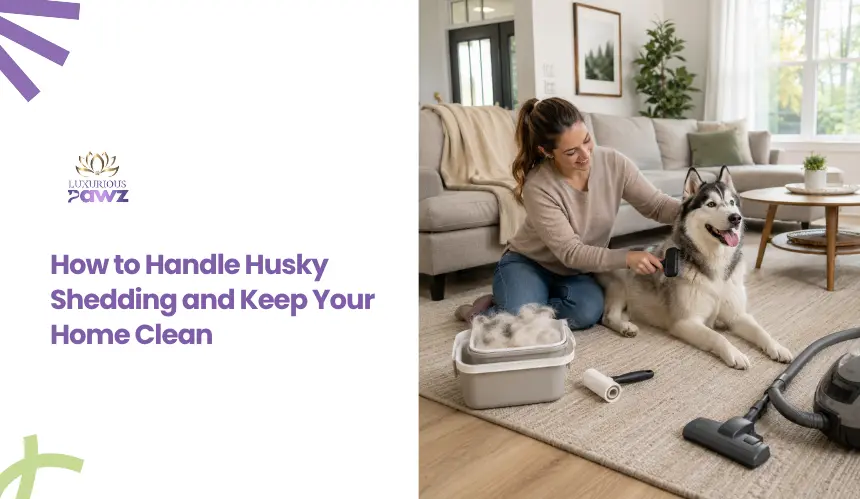
How to Handle Husky Shedding and Keep Your Home Clean
Key Takeaways
shedding seasons to remove loose undercoat before it spreads across floors, furniture, and clothing.
|
Huskies shed heavily because of their thick double coat, so fur on clothes, furniture, and floors comes with the territory. While you cannot stop the shedding completely, regular brushing, proper grooming tools, and a consistent cleaning routine can make it far more manageable around the house. This blog discusses the tools, grooming habits, and practical routines that help control Husky shedding without making maintenance feel overwhelming.
Did You Know? Dog ownership now represents a major household lifestyle factor in the U.S. AVMA data shows dog-owning households accounted for 45.5% of all U.S. households in 2024, which explains why indoor fur control, cleaning routines, and pet-friendly home maintenance are such common concerns for owners. |
Understand Husky Shedding
Huskies naturally shed due to their thick double coat, which is designed to protect them in different temperatures. Managing this shedding is important to control loose fur inside the home while maintaining a healthy coat.
Double Coat in Huskies
Huskies have two layers in their coat: a soft undercoat and a protective outer coat. The undercoat provides insulation against cold and heat, while the outer coat protects the skin from dirt and environmental elements. This structure is the main reason Huskies shed regularly throughout the year, as the body continuously replaces old or loose hair.
Normal Shedding vs. Blowing Coat
Normal shedding happens throughout the year in small amounts and is part of the natural hair cycle. However, “blowing coat” is a seasonal process where Huskies shed large amounts of undercoat within a short time, usually during weather changes. This phase can make shedding appear extreme, but it is a natural and temporary process.
Common Causes of Heavy Shedding
Heavy shedding is mostly caused by seasonal changes, especially when the weather shifts between warm and cold. However, it can also be influenced by poor nutrition, lack of grooming, stress, allergies, or skin conditions. These factors can increase shedding beyond normal levels and may require attention if they persist.
Brush Your Husky Regularly
Regular brushing is one of the most effective ways to control Husky shedding and prevent loose fur from spreading around the home.
Importance of Regular Brushing
Brushing your Husky consistently helps remove loose hair before it falls naturally. Since Huskies have dense double coats, dead fur can easily get trapped if not removed, leading to a buildup of shedding in the home. Regular brushing also improves airflow to the skin, prevents matting in the undercoat, and keeps the coat cleaner and healthier overall.
Best Brushes for Huskies
Using proper grooming tools is essential for effective shedding control. Undercoat rakes are designed to reach deep into the thick undercoat and efficiently remove loose fur, while slicker brushes help smooth the topcoat and remove surface hair. Using the right combination of tools ensures both layers of the coat are properly maintained without causing discomfort.
How Brushing Helps Keep the Home Clean
Brushing reduces the amount of loose fur that would otherwise fall onto furniture, floors, and clothing. Removing hair directly from the coat, it prevents accumulation inside the home, especially during heavy shedding periods. This makes daily cleaning easier and reduces the need for constant vacuuming.
Simple Brushing Routine
A consistent brushing routine helps manage shedding effectively without overwhelming the owner or the dog. During normal periods, brushing a few times per week is usually sufficient, while during heavy shedding seasons, daily brushing may be needed. Working in sections from head to tail ensures the entire coat is evenly maintained and no thick undercoat areas are missed.
In Pasadena, CA, hot, dry summers, mild wetter winters, and indoor cooling can make Husky shedding more noticeable, increasing the need for regular brushing, coat care, and professional de-shedding in Pasadena, CA, to help manage loose fur before it collects on floors, furniture, and clothing.
Did You Know? Pasadena’s climate has sharp moisture swings. The City of Pasadena reports 20.4 inches of average annual precipitation, with February averaging 4.6 inches and July averaging 0.0 inches. That dry-season pattern can make loose undercoat and indoor fur buildup feel more noticeable. |
Bathe Your Husky Properly
Bathing helps loosen and remove dead fur trapped in the coat, making shedding easier to manage when combined with brushing.
How Bathing Helps Remove Loose Fur
Bathing softens the undercoat and loosens trapped hair that brushing alone may not remove. When shampoo is used correctly, it helps lift dead fur from both layers of the coat, allowing it to be washed away before it spreads inside the home.
Recommended Bathing Frequency
Huskies should only be bathed occasionally because their coat naturally maintains itself. Overbathing can remove essential oils that protect the skin and coat, which may lead to dryness and increased shedding. A balanced bathing schedule helps maintain coat health without disrupting natural oil production.
Importance of Drying the Coat Completely
Proper drying is important because moisture trapped in the thick undercoat can lead to discomfort and skin issues. Thorough drying also helps release additional loose fur that remains after bathing, making it easier to remove through brushing.
Avoid Overbathing
Frequent bathing can damage the coat’s natural protective barrier, leading to dryness and irritation. This can actually worsen shedding instead of controlling it. Keeping baths limited ensures the coat remains balanced, healthy, and naturally resistant to excessive hair loss.
Use the Right Diet for Coat Health

A balanced diet supports healthy skin and coat condition, which helps control shedding from within the body.
Role of Nutrition in Reducing Excessive Shedding
Good nutrition strengthens hair roots and supports a stable coat cycle. When a Husky receives proper nutrients, shedding becomes more controlled and consistent instead of excessive or uneven. Poor nutrition, on the other hand, can weaken coat health and increase hair loss.
Importance of Protein, Omega-3 Fatty Acids, and Hydration
Protein helps build and maintain strong hair structure, while omega fatty acids support skin moisture and reduce dryness that can lead to shedding. Proper hydration also plays an important role in maintaining skin balance, preventing flakiness, and supporting overall coat health.
Poor Diet as a Cause of Unhealthy Shedding
A low-quality or unbalanced diet can lead to dry skin, weak fur, and increased shedding. Nutritional deficiencies often show first in coat condition, making diet one of the most important factors in maintaining healthy and controlled shedding.
Did You Know? Merck Veterinary Manual notes that commercial adult dog foods typically contain 5%–15% fat on a dry-matter basis, while essential fatty acid deficiencies may cause a dry, scaly, lusterless coat. This supports why balanced nutrition matters for coat strength and shedding control. |
Maintain a Clean Home Despite Husky Shedding
Managing Husky shedding indoors requires consistent cleaning habits to prevent fur buildup on surfaces and maintain a hygienic living space.
Regular Vacuuming and Deep Cleaning
Regular vacuuming helps remove loose fur from carpets, rugs, and furniture before it spreads further. Deep cleaning of fabric surfaces such as sofas, cushions, and bedding prevents long-term hair buildup and keeps the home consistently clean and manageable.
Using Lint Rollers and Hair Removers
Lint rollers and pet hair removers provide a quick way to clean fur from clothing and soft surfaces. Keeping them easily accessible allows for frequent touch-ups, especially in homes where shedding is constant.
Managing Furniture with Protective Covers
Washable covers placed on sofas, chairs, and beds help reduce direct fur accumulation. These covers can be cleaned separately, making it easier to maintain furniture without constant deep cleaning.
Choosing Suitable Fabrics and High-Shedding Areas
Some fabrics naturally attract more hair than others, making them harder to clean. Paying attention to where your Husky spends the most time allows you to focus cleaning efforts in high-shedding areas, improving overall home cleanliness.
Manage Seasonal Shedding
Seasonal shedding, also known as “blowing coat,” is a natural process where Huskies shed large amounts of undercoat in a short period.
Increase Brushing During the Shedding Season
During heavy shedding periods, brushing should be increased to daily sessions to quickly remove loose undercoat. This prevents excessive fur from spreading around the home and helps the coat transition smoothly during seasonal changes.
Use Undercoat Grooming Tools Carefully
Undercoat tools are effective during this period but must be used gently to avoid skin irritation. Proper technique ensures that only loose fur is removed while protecting the healthy topcoat and maintaining comfort for the dog.
Create a Temporary Grooming Schedule During Heavy Shedding Periods
A structured grooming routine during seasonal shedding helps maintain consistency. Increasing brushing frequency and setting specific grooming times ensures the coat is managed effectively until shedding naturally reduces.
In Pasadena, CA, seasonal temperature changes, dry heat, and indoor air conditioning can make Husky shedding more noticeable throughout the year. During these shifts, regular brushing and professional dog de-shedding in Pasadena, CA can help remove loose undercoat before it spreads around the home.
Keep Your Husky Healthy to Control Shedding
A Husky’s health has a direct impact on shedding levels, making overall well-being an important factor in coat management.
Watch for Unusual or Excessive Shedding
Any sudden increase in shedding or patchy hair loss may indicate an underlying issue. Monitoring coat changes helps detect problems early and ensures timely attention before they worsen.
Allergies, Stress, or Skin Problems
Conditions such as allergies, stress, or skin irritation can cause abnormal shedding patterns. These issues may lead to itching, discomfort, or uneven coat loss and should be addressed if symptoms continue.
Importance of Regular Vet Checkups
Regular veterinary visits help ensure the skin and coat remain healthy. A vet can identify medical or environmental causes of excessive shedding and recommend appropriate treatment when needed.
For Husky owners who want shedding control to feel easier, Luxurious Pawz offers gentle, coat-friendly grooming support designed around your dog’s comfort. From careful brushing to proper coat care, our grooming approach helps keep loose fur more manageable while supporting a healthier, cleaner coat. Give your Husky the polished care they deserve with a grooming experience that feels calm, thoughtful, and reliable.
Frequently Asked Questions
Should you ever shave a Husky to reduce shedding?
Shaving a Husky is not recommended because the double coat helps regulate body temperature and protects the skin from sun exposure, dirt, and irritation. Removing it can disrupt natural coat growth, create uneven regrowth, and make the dog less protected in both warm and cold conditions.
Why does my Husky shed more after moving to a different climate?
Climate change can affect how a Husky’s coat responds to temperature, humidity, sunlight exposure, and indoor heating or cooling. Even without a clear season change, the coat may adjust to the new environment, causing temporary shedding shifts until the hair cycle stabilizes.
Are professional de-shedding treatments worth it for Huskies?
Professional de-shedding can be useful during intense coat changes because groomers use controlled techniques, high-velocity dryers, and coat-safe tools to remove trapped undercoat more efficiently. It is especially helpful for owners who struggle with heavy fur buildup, thick undercoat areas, or dogs that resist grooming at home.
Can air purifiers help with Husky shedding problems indoors?
Air purifiers will not reduce the amount of fur a Husky sheds, but they can help capture airborne dander, dust, and fine hair particles. A HEPA air purifier may improve indoor air quality, especially in smaller homes, apartments, or households where people are sensitive to pet allergens.
Is a robot vacuum enough for a home with a Husky?
A robot vacuum can help with daily fur control, but it usually works best as a maintenance tool rather than a complete cleaning solution. Husky hair often gathers along corners, fabric surfaces, rugs, and under furniture, so deeper vacuuming and manual hair removal are still needed.
Why does my Husky’s coat look patchy during puppy-to-adult coat changes?
Young Huskies may look uneven as their soft puppy coat transitions into a denser adult double coat. This process can create temporary texture changes, loose tufts, or uneven-looking areas. True bald spots, redness, itching, or skin irritation are different and should be checked by a vet.