
- admin
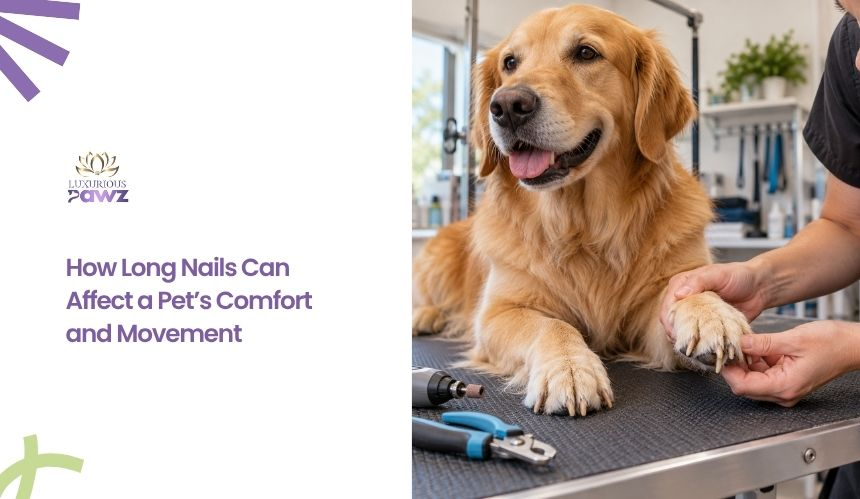
How Long Nails Can Affect a Pet’s Comfort and Movement
Key Takeaways
|
Long nails can affect far more than a pet’s appearance. When nails extend far enough to contact the ground or alter normal paw placement, they can change gait mechanics, balance, and weight distribution.
For pets in Sunland, CA, where regular outdoor activity can mean frequent walking on sidewalks, driveways, and other hard surfaces, nail length should be assessed alongside the pet’s actual movement and lifestyle.
This guide explains how excessive nail growth can affect mobility, what signs to watch for, and when professional nail care is appropriate.
How Long Nails Change the Way a Pet Walks
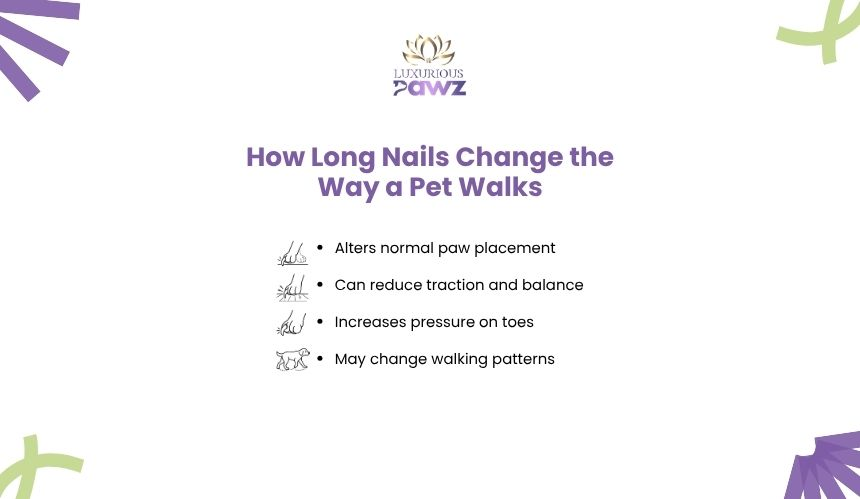
Long nails can interfere with the normal sequence of paw placement during walking and standing. The effect is not simply that the nails become uncomfortable; persistent overgrowth can alter how the foot interacts with the ground.
In Sunland, CA, pets may experience different levels of natural nail wear depending on their routine, from neighborhood walks near Foothill Boulevard to time spent on paved surfaces around Sunland-Tujunga. With warm, dry weather and hot outdoor surfaces during summer, maintaining paw comfort becomes especially relevant, which is why pet nail trimming can help prevent overgrown nails from altering paw placement and movement.
Changes in Paw Placement and Gait
When a nail is long enough to touch the ground before the paw is positioned normally, it can change the angle at which the foot contacts the surface. Instead of allowing the paw to settle in its usual position, the nail may make contact first and influence how the pet distributes weight.
This can produce subtle gait changes that owners may notice as shorter steps, altered paw placement, or an unusual walking pattern. Veterinary guidance from VCA specifically notes that very long claws can interfere with proper foot placement and may contribute to structural changes in the foot.
The change can be especially easy to miss when a pet has gradually developed longer nails. Because the alteration happens progressively, owners may notice that the pet is “walking differently” before recognizing nail length as a possible contributor.
Reduced Traction and Balance
Nails that extend excessively can interfere with the paw’s ability to make stable contact with the ground. Long claws can contribute to a splayed foot and reduced traction, particularly when the pet moves across surfaces where secure footing matters.
This becomes more relevant when a pet moves between different surfaces around the home and outdoors. A dog in Sunland may transition between indoor flooring, concrete, pavement, dirt, or uneven ground during a normal day. A nail that is manageable on one surface may become more noticeable when the pet needs to turn, accelerate, stop, or maintain balance.
Increased Pressure on Toes and Paw Structures
Excessive nail length can change where forces are transmitted through the paw. Instead of allowing the foot to bear weight in its usual configuration, the extended nail can influence the position of the toes and the way the paw contacts the surface.
Over time, repeated abnormal loading may contribute to discomfort and altered mechanics. This is one reason long nails should be addressed before they progress to obvious limping or a significant change in mobility.
Do You Know?
A large study of 148,741 dogs attending 93 primary-care veterinary practices in England found that overgrown nails were recorded in 7.1% of dogs, making them one of the more frequently recorded disorders in the study. The researchers also found that the prevalence of overgrown nails differed significantly between popular breeds.
How Overgrown Nails Affect Comfort and Posture
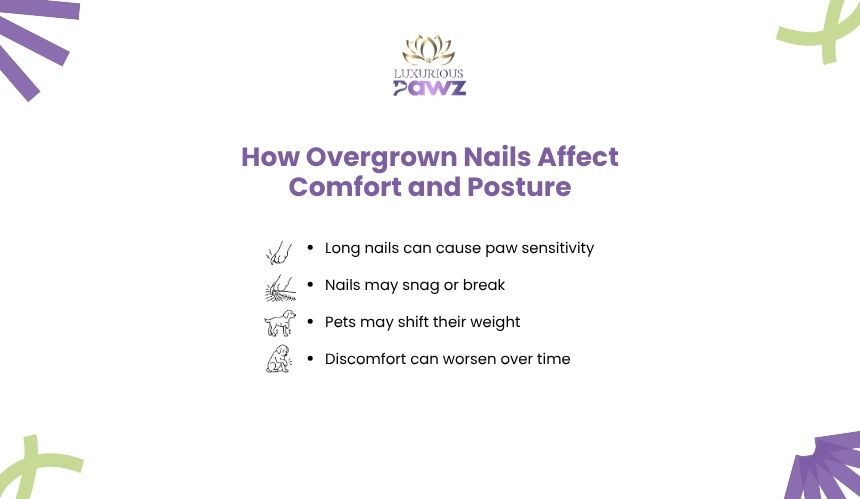
The effects of excessive nail length can extend into a pet’s resting and standing behavior, particularly when the feet remain under altered pressure for prolonged periods. Changes in how a pet positions its limbs may affect weight distribution, standing stability, and willingness to remain in certain positions.
These effects can be subtle, making them easier to recognize through changes in posture or handling sensitivity than through obvious mobility problems.
Pressure and Sensitivity in the Paws
A nail contains a living inner structure known as the quick, which contains blood vessels and nerves. As the nail grows, the quick can grow with it, which means an excessively long nail cannot always be shortened dramatically in a single trimming session without risking pain and bleeding.
Very long nails can also snag on carpet, bedding, or other materials. If the nail breaks, the exposed tissue can be painful because the protective outer nail is no longer covering the sensitive structures underneath.
In severe cases, an overgrown nail can curve toward or into the paw pad, creating a painful wound with potential for infection.
Compensating Through Posture and Weight Distribution
When a pet experiences discomfort in one or more toes, it may modify how it stands or walks to reduce pressure on the affected area. This can shift weight between limbs or change the way the pet positions its feet.
The resulting posture may be subtle rather than dramatic. A pet does not necessarily need to limp for nail length to be affecting its movement. Changes in stance, reluctance to remain standing, or unusual positioning of the paws can all warrant closer inspection.
Why Discomfort May Become More Noticeable Over Time
Nail-related problems can develop gradually. A small amount of excess growth may have little visible effect, while continued growth can progressively change foot contact and increase the likelihood of snagging or breakage.
Regular trimming also matters because the quick grows along with the nail. Once the nail and quick have become long, safely restoring a shorter nail may require repeated small trims rather than one aggressive cut.
Movement Problems Caused by Long Nails
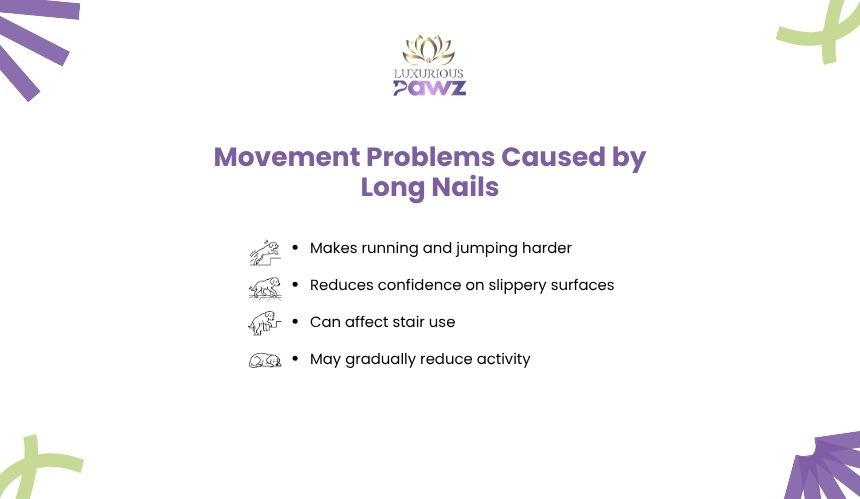
Once nail overgrowth begins affecting paw mechanics, everyday activities that require controlled foot placement can become more difficult.
In Sunland, CA, dogs exposed to the area’s warm, dry conditions can pick up dust and outdoor debris in their coats during regular walks and outdoor activity. For pets spending time near McGroarty Arts Center or around Big Tujunga Wash, dog grooming can help manage accumulated debris, loose undercoat, and coat condition without unnecessarily removing protective hair, particularly during warmer periods.
Do You Know?
In a 2025 study examining 2,250,741 dogs under primary veterinary care in the UK, researchers estimated that 5.64% underwent nail clipping during the study year. Among recorded nail-clipping events, 12.66% were clinically justified by overgrown or ingrown nails, while 8.84% involved broken claws or dewclaws.
Difficulty Running, Jumping, or Climbing
Running and jumping require rapid changes in force, balance, and paw position. Long nails can interfere with those movements by changing how the paw contacts the ground.
A pet may therefore become less willing to jump onto furniture, use stairs, run during play, or navigate uneven terrain. These behaviors should not automatically be attributed to aging or laziness, particularly when they appear alongside visibly long nails or changes in gait.
Reduced Confidence on Hard or Slippery Surfaces
A pet that does not feel stable through its paws may become more cautious on smooth flooring or during quick directional changes. Reduced traction can make movements such as turning, stopping, or accelerating less predictable.
For an active dog in Sunland, CA, this can become noticeable when moving between indoor flooring and outdoor surfaces. Hard surfaces may also naturally wear some nails, but VCA notes that nail requirements vary according to activity level and surface exposure, so outdoor exercise does not eliminate the need for regular inspection.
Changes in Activity Levels
A pet experiencing paw discomfort may gradually reduce activities that place additional demand on its feet. The change can be subtle, such as ending walks sooner, playing less intensely, avoiding stairs, or hesitating before jumping.
Reduced activity can then make nail maintenance more difficult because less time spent on hard surfaces may mean less natural nail wear. VCA notes that less-active dogs or those with limited exposure to hard surfaces may require more frequent trimming.
Signs Your Pet’s Nails Are Affecting Comfort or Mobility
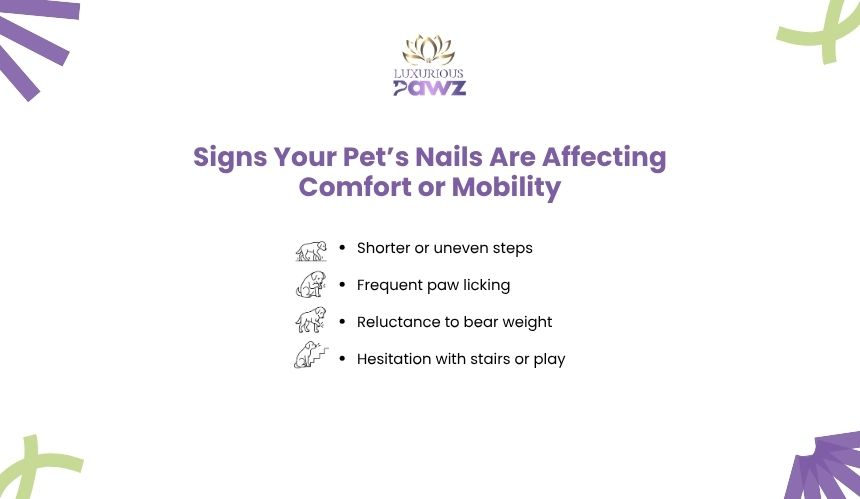
Visible nail length is only one indicator. The more useful assessment is whether the nails are changing how the pet stands, walks, or uses its paws.
Limping or Altered Walking Patterns
Watch for changes such as:
- Shorter or uneven steps
- A noticeable change in gait
- Reluctance to put full weight on a paw
- Repeated shifting of weight while standing
- Unusual paw placement
A persistent gait change should not automatically be blamed on nails. Joint, muscle, ligament, paw-pad, and orthopedic conditions can produce similar symptoms. If the change continues after appropriate nail care, veterinary evaluation is warranted.
Frequent Paw Licking or Sensitivity
Repeated licking, chewing, pulling away when the feet are handled, or protecting a particular paw can indicate discomfort.
Inspect the nails for cracks, excessive curvature, swelling, bleeding, or nails that have begun pressing into the paw pad. Dewclaws deserve particular attention because they do not normally contact the ground and can become overgrown without natural wear.
Hesitation With Stairs, Exercise, or Play
A pet that suddenly avoids stairs, jumping, running, or active play may be responding to discomfort or reduced confidence in its footing.
For owners in Sunland, observing the pet during both indoor movement and outdoor walks can provide useful information. Look for whether the behavior changes across surfaces or whether the pet consistently favors one limb or avoids specific movements.
What to Do When Long Nails Affect Movement
The goal is not simply to make the nails look shorter. Proper maintenance restores an appropriate nail length while protecting the quick and avoiding unnecessary trauma.
When Nail Trimming Is Needed
One practical indicator is whether the nails touch the ground while the dog is standing. Audible clicking on hard floors is another useful warning sign that the nails may be too long.
VCA reports that many dogs need nail trims approximately once a month, while some require them every three weeks or even more frequently depending on activity and surface exposure.
There is no single interval that fits every pet. Nail growth, activity, age, lifestyle, and natural wear all influence the appropriate schedule.
Why Gradual, Regular Trimming Matters
If nails have been neglected for an extended period, trimming them dramatically shorter may not be safe because the quick may have extended farther into the nail.
For dark nails, VCA recommends removing small amounts at a time and progressively shortening the nail. For light nails, the visible quick provides a clearer guide.
Regular maintenance allows the nail and quick to remain at a manageable length. This makes future trims easier and reduces the likelihood that a pet will reach the point where severe overgrowth requires corrective care.
When Professional Grooming or Veterinary Assessment Is Appropriate
Professional assistance is appropriate when a pet strongly resists nail handling, the nails are severely overgrown, the quick is difficult to identify, or a nail is cracked, bleeding, embedded, or otherwise damaged.
Veterinary assessment becomes particularly important when nail problems occur alongside persistent limping, swelling, significant pain, inability to bear weight, or other unexplained mobility changes. Nail trimming should not be used as a substitute for diagnosing an underlying orthopedic or paw condition.
For Sunland pet owners, professional nail care can also be useful when a pet’s outdoor activity, nail growth, or temperament makes consistent home maintenance difficult. The objective is a sustainable maintenance routine rather than waiting until the nails become a mobility problem.
For pet owners across Los Angeles, including Sunland and surrounding communities, regular grooming can help maintain healthy nails, comfortable paws, and easier movement. Luxurious Pawz offers professional pet care services designed around your pet’s individual grooming needs, including nail care that helps prevent overgrowth from interfering with everyday mobility.
Frequently Asked Questions
Can long nails really change how a dog walks?
Yes. Excessively long claws can interfere with normal foot placement and alter the mechanics of standing and walking. Veterinary guidance notes that very long claws may even contribute to structural changes in the foot.
How can I tell if my pet’s nails are too long?
For dogs, nails that touch the ground while standing or make a clicking sound when walking across hard floors are useful indicators that they may need trimming.
Can long nails cause pain even if my pet is not limping?
Yes. A pet may compensate for discomfort without developing an obvious limp. Changes in stance, paw placement, activity, or willingness to use stairs and jump can appear before severe mobility problems become obvious.
Can long nails grow into a pet’s paw?
Yes. Severely overgrown nails can curve into the paw pad and create painful wounds that may become infected. Dewclaws are particularly easy to overlook because they do not receive the same natural wear as weight-bearing nails.
How often should a dog’s nails be trimmed?
Many dogs require trimming approximately every three to four weeks, although individual needs vary. Active dogs that regularly walk on rough surfaces may naturally wear their nails more, while less-active dogs may require more frequent maintenance.
Should severely overgrown nails be trimmed all at once?
Not necessarily. When the quick has grown out with the nail, removing too much at once can cause pain and bleeding. Gradual trimming can allow the nail to become shorter over multiple sessions. Professional grooming or veterinary assistance is advisable when nails are severely overgrown or difficult to trim safely.