
- admin
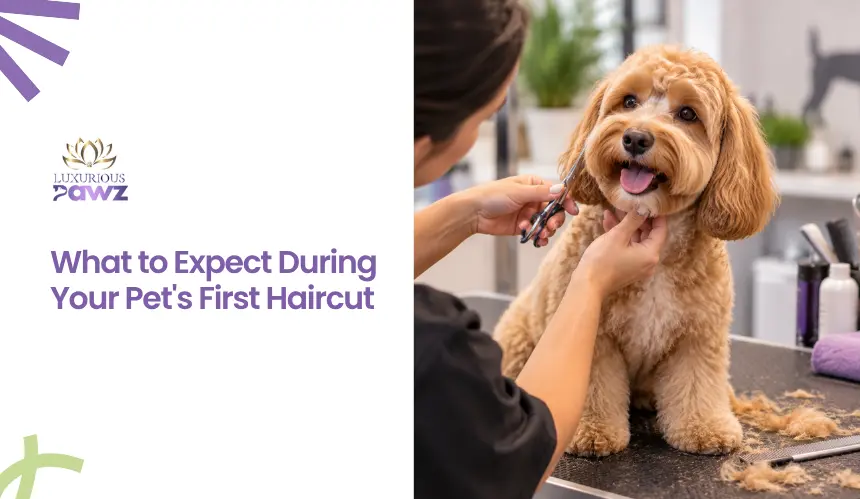
What to Expect During Your Pet's First Haircut
Key Takeaways
|
A pet’s first professional grooming appointment is more than a cosmetic change. It introduces them to new handling, equipment, and routines that can shape future grooming experiences.
For pet owners in Pasadena, CA, where outdoor activities, seasonal shedding, and climate conditions affect coat care, understanding the process helps ensure a safer, more comfortable first haircut while supporting long-term coat health and grooming success.
A pet’s grooming needs are influenced by more than coat length or breed characteristics. Local routines, outdoor exposure, and seasonal conditions can affect how often a coat requires maintenance and what haircut approach works best.
Pasadena pets often experience a mix of urban walking routes, shaded residential areas, and outdoor spaces such as the Arroyo Seco trail areas, where dogs can pick up fine dust, dry plant debris, and seasonal allergens that become trapped in longer coats.
A professional pet haircut in Pasadena, CA, should consider these local exposure factors along with coat type and activity level, helping reduce debris buildup, prevent friction-related matting, and maintain a manageable coat for pets that regularly move between indoor living and Pasadena’s outdoor environments.
Preparing Your Pet for Their First Haircut
Preparing your pet before the appointment lays the foundation for a safe, low-stress grooming experience. Beyond keeping the coat clean, proper preparation allows the groomer to work more efficiently, reduces behavioral challenges, and helps identify any health or coat concerns before grooming begins.
Choosing the Right Groomer and Appointment Time
Selecting a qualified groomer is one of the most important decisions for a pet’s first haircut. Grooming involves far more than trimming fur. A professional groomer understands animal behavior, coat structure, skin health, breed-specific styling, sanitation protocols, and safe restraint techniques.
When evaluating a grooming salon in Pasadena, CA, look beyond pricing and convenience. Instead, assess whether the salon maintains clean workstations, uses sanitized equipment, follows safety procedures, and schedules enough time for first-time clients. Experienced groomers typically begin with a consultation to discuss your pet’s medical history, temperament, coat condition, vaccination status, allergies, and previous grooming experiences.
Morning appointments are generally recommended for puppies and first-time grooming sessions because pets are often more relaxed and grooming salons are less busy. During Pasadena’s warmer months, earlier appointments also help reduce heat exposure before and after the visit, particularly for breeds that are more susceptible to overheating.
Helping Your Pet Feel Comfortable Before the Visit
Professional grooming requires pets to tolerate handling of sensitive areas, unfamiliar equipment, and remaining still for extended periods. Introducing these experiences gradually at home helps reduce anxiety during the appointment.
Spend several weeks gently handling your pet’s paws, ears, tail, face, and legs while rewarding calm behavior. These short sessions teach your pet that physical contact is predictable rather than threatening.
Regular brushing also serves as behavioral conditioning. It familiarizes pets with standing still while someone works through their coat and allows owners to identify tangles or mats before they become severe enough to complicate grooming.
Exercise before the appointment should be moderate. A calm walk helps release excess energy, while vigorous activity immediately beforehand may increase fatigue, dehydration, or excitement. Feeding several hours before the appointment also minimizes digestive discomfort while ensuring your pet remains comfortable throughout the grooming process.
What to Bring and Share With the Groomer
Open communication gives the groomer the information needed to tailor the appointment to your pet’s individual needs.
Before arriving, be prepared to discuss:
- Medical conditions
- Current medications
- Allergies
- Skin sensitivities
- Mobility limitations
- Behavioral triggers
- Previous grooming experiences
- Emergency veterinary contact information
If you have a preferred haircut, bring clear reference photos rather than relying solely on style names. Terms such as “puppy cut” or “teddy bear cut” can vary between groomers, while photographs provide a clear visual expectation.
Honesty about your pet’s behavior is equally valuable. If your dog becomes anxious around strangers or dislikes nail trimming, informing the groomer in advance allows them to adjust their handling techniques and pace the appointment accordingly. Building trust during the first visit is often more valuable than completing every grooming service, creating a positive foundation for future appointments.
What Happens During the Grooming Appointment
A first grooming appointment is designed to evaluate your pet’s comfort level while delivering essential coat and hygiene care in a controlled environment. Professional groomers follow a structured process that balances safety, efficiency, and behavioral management rather than simply completing a haircut. Every stage provides valuable information about your pet’s coat condition, skin health, and response to handling, allowing future appointments to be tailored more effectively.
Initial Health and Coat Assessment
Before any grooming begins, a professional groomer performs a hands-on assessment to determine whether the planned haircut is appropriate for your pet’s current condition. This evaluation serves as a safety checkpoint rather than a cosmetic consultation.
The groomer examines several factors, including:
- Coat density and texture
- Presence of mats or tangles
- Skin irritation or inflammation
- External parasites such as fleas or ticks
- Ear condition
- Nail length
- Body condition and mobility
- Signs of pain or discomfort during handling
This assessment helps identify issues that may require modifications to the grooming process. For example, tightly matted fur can restrict airflow to the skin and pull painfully against the body. Attempting to brush out severe matting may cause bruising, skin tears, or significant stress, making clipping the safest and most humane option.
Breed characteristics also influence grooming decisions. Double-coated breeds such as Golden Retrievers, Australian Shepherds, and Siberian Huskies require coat-preserving techniques that support natural insulation rather than excessive shaving. In contrast, continuously growing coats found in Poodles, Doodles, and Shih Tzus often require structured trimming to maintain coat health and prevent mat formation.
The groomer also evaluates your pet’s behavior during this initial examination. Observing how they respond to touch, lifting, restraint, and unfamiliar surroundings helps determine whether additional breaks, slower introductions, or modified handling techniques will be necessary throughout the appointment.
For pets in Pasadena, CA, groomers frequently assess environmental factors as well. Extended exposure to dry summer conditions, local hiking trails, and seasonal allergens can affect skin hydration and coat quality, influencing shampoo selection and grooming methods.
Did You Know?
Research from the ASPCA Animal Hospital found that some pets arrive with coats so severely matted that they require medical treatment or even surgery. In one documented case, a dog’s matted coat weighed more than one pound, trapping urine, feces, and debris against the skin and causing significant health complications.
Bathing, Drying, Brushing, and Hair Trimming
The grooming process follows a sequence designed to produce the safest and most accurate haircut while protecting coat integrity.
Most appointments begin with a thorough bath using shampoos selected according to coat type and skin condition. Professional grooming products are formulated to remove dirt, excess oils, environmental allergens, and loose undercoat without disrupting the skin’s protective barrier. Pets with sensitive skin may receive hypoallergenic or medicated shampoos recommended by a veterinarian.
Following the bath, high-velocity dryers are commonly used to remove moisture and separate the coat. Although these dryers produce noticeable airflow and sound, they are engineered to dry the coat efficiently while reducing prolonged dampness that can contribute to skin irritation. Groomers carefully introduce the dryer based on the pet’s comfort level, especially during a first appointment.
Once the coat is fully dry, brushing becomes significantly more effective. Dry brushing allows groomers to remove loose hair, identify remaining tangles, and achieve an even coat before trimming begins. This preparation improves clipper performance and results in a smoother, more consistent finish.
Hair trimming is then performed using professional clippers, scissors, or thinning shears depending on the desired style and coat type. Rather than focusing solely on aesthetics, groomers aim to preserve coat function, maintain balanced proportions, and improve overall manageability.
During a first haircut, many groomers intentionally choose conservative trim lengths. Leaving additional coat provides flexibility for future adjustments while allowing owners to evaluate how their pet responds to professional grooming.
Attention is also given to sanitary areas, paw pads, facial hair, and areas around the eyes where excess hair may interfere with movement, cleanliness, or vision.
Throughout the appointment, groomers continuously monitor body language. Signs such as lip licking, yawning, trembling, paw lifting, whale eye, or repeated attempts to sit may indicate rising stress levels. Recognizing these behavioral cues allows professionals to pause, adjust techniques, or provide short recovery periods before continuing.
Safety Measures and How Groomers Handle Nervous Pets
A successful first grooming appointment depends as much on behavioral management as technical grooming skills. Professional groomers use low-stress handling techniques that prioritize the pet’s emotional well-being while maintaining a safe working environment.
Instead of relying on force, experienced groomers gradually build trust through calm voice cues, predictable movements, and positive reinforcement. This approach helps reduce fear responses and encourages voluntary cooperation throughout the appointment.
Safety equipment is used to stabilize pets without causing discomfort. Grooming loops, non-slip grooming tables, adjustable restraints, and ergonomic support systems help maintain secure positioning while minimizing unnecessary movement that could increase the risk of accidental injury.
For particularly anxious pets, groomers may modify the appointment by:
- Performing shorter grooming sessions
- Introducing equipment gradually
- Allowing brief rest periods
- Completing services over multiple visits
- Prioritizing essential hygiene over cosmetic styling
This gradual approach is especially beneficial for puppies, adopted rescue dogs, and pets with limited previous handling experience.
Professional groomers also recognize situations where grooming should be postponed. If a pet exhibits signs of severe panic, respiratory distress, aggression caused by fear, or underlying medical concerns, continuing the appointment may create unnecessary risks. In these cases, collaboration with the pet owner and veterinarian helps determine the safest path forward, which may include behavioral conditioning before future grooming visits.
For pet owners in Pasadena, CA, where many dogs regularly participate in outdoor recreation, social activities, and community events, establishing positive grooming experiences early supports lifelong cooperation with routine coat maintenance. A calm first appointment builds confidence that extends beyond the grooming salon, making future handling for veterinary care, nail trimming, ear cleaning, and regular maintenance significantly easier.
Caring for Your Pet After Their First Haircut
The grooming appointment does not end when your pet leaves the salon. The first 24 to 48 hours afterward are an adjustment period during which your pet adapts to the sensation of a newly trimmed coat, unfamiliar scents, and extensive handling. Appropriate post-grooming care helps maintain skin health, reinforces positive grooming experiences, and extends the quality of the haircut between appointments. Monitoring your pet during this period also allows you to identify any concerns that may require follow-up with the groomer or veterinarian.
What Is Normal After a Haircut?
Many pet owners expect their dog or cat to behave exactly the same after grooming, but temporary behavioral changes are common following a first professional haircut. These changes usually reflect an adjustment to a new sensory experience rather than discomfort or illness.
Immediately after the appointment, your pet may:
- Shake their body more frequently
- Rub against furniture or carpets
- Spend additional time grooming themselves
- Appear unusually energetic or temporarily quiet
- Sleep longer than usual after returning home
These behaviors often result from adapting to the lighter feel of a trimmed coat and processing the physical and mental stimulation experienced during grooming.
Some dogs also display what groomers commonly call the “zoomies,” where they suddenly run around the house with increased excitement. This reaction is generally linked to stress release and the sensation of a freshly cleaned coat rather than discomfort.
You should also inspect your pet’s skin once they arrive home. Hair removal may reveal existing skin conditions that were previously hidden beneath dense fur, including:
- Mild redness caused by pre-existing matting
- Dry skin or dandruff
- Small benign skin growths
- Pigmentation changes
- Minor scratches from previous outdoor activity
These findings are often unrelated to the grooming itself but become visible only after excess coat has been removed.
However, persistent scratching, excessive licking, swelling, bleeding, or signs of pain are not considered normal. If these symptoms develop, contact the grooming salon promptly to discuss the situation and consult your veterinarian if symptoms continue or worsen.
For pets living in Pasadena, CA, where seasonal pollen, dry air, and environmental allergens are common, mild skin sensitivity may become more noticeable after a haircut because the protective coat no longer conceals irritated areas.
Home Care Tips for Coat and Skin
Maintaining the condition of your pet’s coat after the first haircut reduces mat formation, preserves skin health, and makes future grooming appointments significantly easier.
Daily visual inspections are an effective starting point. Focus on areas where friction commonly develops, including behind the ears, under the collar, inside the front legs, around the tail, and beneath the belly. Early detection of small tangles prevents them from developing into dense mats that require extensive clipping during future appointments.
Brushing frequency should match your pet’s coat type rather than following a universal schedule.
Examples include:
- Short-coated breeds benefit from occasional brushing to remove loose hair and distribute natural oils.
- Medium-coated breeds require routine brushing to prevent undercoat compaction.
- Curly or continuously growing coats often require brushing several times each week to minimize matting.
- Double-coated breeds benefit from seasonal de-shedding rather than excessive trimming.
Using grooming tools designed for your pet’s specific coat structure is equally important. Slicker brushes, undercoat rakes, metal combs, and rubber grooming mitts each serve different purposes, and selecting the wrong tool may either fail to remove loose hair effectively or place unnecessary stress on the coat.
Hydration also influences coat quality. Adequate water intake supports skin elasticity and healthy hair growth, while balanced nutrition provides the proteins, essential fatty acids, vitamins, and minerals necessary for maintaining a resilient coat.
Outdoor activities common in Pasadena, including visits to local parks, hiking trails, and neighborhood walks, can expose pets to dust, grass seeds, burrs, and environmental debris. After returning home, inspect the paws, coat, ears, and feathered areas for plant material that could create tangles or skin irritation if left unattended.
Avoid bathing your pet too frequently between professional grooming appointments unless specifically recommended by your veterinarian. Excessive bathing can strip natural skin oils, alter the skin barrier, and contribute to dryness or irritation.
Did You Know?
Regular brushing does more than prevent tangles. According to the ASPCA, brushing helps remove dirt, distribute natural skin oils, reduce irritants, and gives owners an opportunity to spot fleas, ticks, skin lumps, or other abnormalities early, often before they become more serious.
When Should You Schedule the Next Grooming Appointment?
The ideal grooming schedule depends on coat growth rate, breed characteristics, lifestyle, and maintenance performed at home rather than following a fixed calendar for every pet.
Breeds with continuously growing hair generally require professional grooming every four to eight weeks to maintain coat length and prevent excessive matting. Double-coated breeds may benefit from seasonal de-shedding appointments that align with natural shedding cycles, while short-coated dogs often require less frequent trimming but still benefit from regular bathing, nail care, and ear cleaning.
Several indicators suggest it may be time to schedule the next appointment:
- Hair begins covering the eyes.
- Mats develop despite regular brushing.
- Nails contact hard flooring while walking.
- Ear hair traps excess moisture or debris.
- Sanitary areas become difficult to keep clean.
- Brushing becomes noticeably more difficult.
Rather than waiting until the coat becomes unmanageable, maintaining a consistent grooming schedule improves coat condition over time and reduces the length and complexity of future appointments.
For pet owners in Pasadena, CA, seasonal climate changes can also influence grooming frequency. Warmer months often increase outdoor activity and exposure to dust, pollen, and plant material, while cooler seasons may require adjustments that preserve adequate coat protection without allowing excessive overgrowth.
The first haircut should be viewed as the beginning of an ongoing grooming routine rather than a one-time service. Consistent professional grooming, combined with proper home maintenance, supports healthy skin, functional coat growth, early detection of potential health concerns, and a more relaxed experience with each subsequent visit.
Pet owners across the greater Los Angeles area can rely on Luxurious Pawz for professional pet grooming services designed to support healthy coats, comfortable skin, and positive grooming experiences. Serving communities throughout the region, including Pasadena and surrounding neighborhoods, Luxurious Pawz provides personalized grooming care tailored to each pet’s coat type, lifestyle, and individual needs.
From first haircuts to ongoing coat maintenance, their experienced team helps pets stay clean, comfortable, and well-groomed with professional care they can trust.
Frequently Asked Questions
How Old Should a Puppy Be for Its First Haircut?
Most puppies are ready for their first professional grooming appointment between 12 and 16 weeks of age, provided they have received the vaccinations recommended by their veterinarian. The first visit often focuses on introducing grooming tools, bathing, nail trimming, and gentle handling rather than a full haircut.
How Long Does a First Grooming Appointment Usually Take?
A first appointment typically lasts 2 to 4 hours, depending on the pet’s size, coat condition, temperament, and the services requested. Groomers often work at a slower pace during the initial visit to help the pet become comfortable with the grooming environment.
Will My Pet Be Nervous During the First Haircut?
Some pets experience mild anxiety because they are exposed to unfamiliar people, sounds, and equipment. Professional groomers use gradual handling techniques, positive reinforcement, and scheduled breaks when necessary to help reduce stress and build confidence during the appointment.
Should I Bathe My Pet Before Taking Them to the Groomer?
In most cases, no. Professional groomers include bathing as part of the grooming process using products selected for your pet’s coat and skin condition. However, brushing your pet before the appointment can help remove loose hair and reduce minor tangles.
What If My Pet Has Matted Fur?
Avoid attempting to cut mats at home with household scissors, as this can lead to accidental skin injuries. Professional groomers evaluate the severity of the matting and determine whether it can be safely brushed out or whether clipping is the most humane option.