
- admin
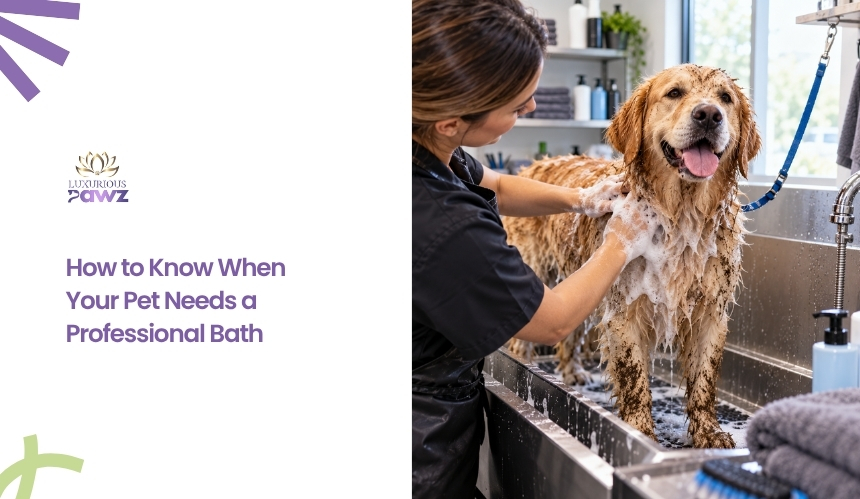
How to Know When Your Pet Needs a Professional Bath
Key Takeaways
|
For pets in Sunland, CA, bath needs are influenced by more than visible dirt. Outdoor exposure, coat density, shedding patterns, natural oils, and the type of coat your pet has can all affect grooming needs. A professional bath can help remove accumulated debris, loosen shed fur, and clean areas that are difficult to reach during a quick bath at home.
Sign 1: Their Coat Has Developed a Persistent Odor
A pet’s coat can naturally collect oils, dust, outdoor residue, and moisture. In Sunland, where pets may spend time exploring yards, trails, and neighborhood outdoor spaces, these elements can gradually contribute to a noticeable smell.
When Odor Returns After Bathing
If an odor returns unusually quickly after bathing, simply washing the coat more frequently may not solve the underlying issue. Thorough cleansing and drying can help remove residue that remains within a dense or longer coat.
What Persistent Coat Odor Can Indicate
Persistent or unusual odor can sometimes be associated with a skin or ear problem rather than ordinary dirt. If the smell is accompanied by itching, redness, discharge, or other unusual changes, veterinary advice is more appropriate than repeated bathing.
Sign 2: Dirt and Outdoor Debris Keep Clinging to the Coat
Outdoor activity can leave behind fine particles that are not always obvious at first glance. Dust, grass, soil, and plant material can become caught around the legs, paws, underside, and longer areas of fur.
Sunland’s foothill environment can expose pets to fine dust, dry vegetation, and outdoor residue, particularly around Big Tujunga Wash, Sunland Park, and Foothill Boulevard. Professional pet bathing helps remove this buildup while accounting for coat density and thorough drying.
For pets living around Sunland Boulevard and the surrounding foothill neighborhoods, a tailored bath provides a cleaner, more comfortable coat without relying on unnecessary overbathing.
From Walks to Backyard Adventures
Regular outdoor activity can gradually increase the amount of material trapped in the coat. Pets that spend plenty of time outside may therefore benefit from more attentive coat maintenance than pets with a mostly indoor routine.
When Brushing Is No Longer Enough
Brushing can remove loose surface debris, but it cannot replace a thorough bath when buildup has accumulated throughout the coat. Professional bathing provides a more comprehensive cleansing and rinsing process.
Sign 3: Their Coat Feels Greasy or Heavier Than Usual
A clean coat generally has a texture appropriate to the individual pet’s coat type. When fur suddenly feels unusually heavy, oily, or coated, accumulated oils and environmental residue may be contributing to the change.
Recognizing Excess Oil and Buildup
Greasy-feeling fur can be particularly noticeable in pets with longer or denser coats. Rather than automatically increasing bathing frequency, it is better to consider the pet’s coat type and existing grooming routine.
Why Coat Texture Can Change
A pet’s coat can change with seasonal shedding, activity levels, environmental exposure, and natural oil production. Professional grooming can help identify whether the coat simply needs maintenance or whether an unusual change warrants further attention.
Sign 4: Shedding Has Become Difficult to Manage
Shedding is normal for many pets, but loose hair can become trapped within dense coats instead of falling away naturally. This can make the coat feel heavier and increase the amount of fur found around the home.
Sunland’s dry foothill conditions can make loose fur, fine dust, and seasonal coat changes especially noticeable around pets living near McGroarty Arts Center, Sunland Recreation Center, and Oro Vista Avenue.
Professional pet de-shedding helps lift loose undercoat and accumulated fur while preserving the coat’s natural structure. For Sunland pets that spend time outdoors, it can be a precise way to keep shedding manageable without relying on excessive bathing.
Loose Fur Trapped in the Coat
Professional bathing, drying, and brushing can work together to release loose hair that is already ready to shed. This can be particularly useful for pets with substantial undercoats.
How Bathing Can Support Shedding Management
Bathing itself is not a cure for excessive shedding. Instead, it can form one part of a broader grooming routine that includes coat-appropriate brushing and drying.
Sign 5: Home Bathing Is No Longer Getting the Coat Fully Clean
Some coats are simply more challenging to wash thoroughly at home. Dense fur can make it difficult to distribute shampoo evenly, reach the skin, and rinse every area properly.
Residue and Buildup That Remain Behind
Incomplete rinsing can leave product residue within the coat. Professional bathing provides more time and equipment for carefully cleansing and rinsing areas that are easy to overlook.
Hard-to-Reach Areas That Need Attention
The underside, legs, paws, feathering, and other dense areas can require deliberate attention. These areas may collect more dirt than the visible surface of the coat suggests.
Sign 6: Your Pet Has a Dense, Long, or High-Maintenance Coat
Coat structure can significantly affect the bathing process. Long, curly, dense, and double coats often require more preparation, washing, rinsing, drying, and brushing than shorter coats.
Why Coat Type Changes the Bathing Process
The amount of hair and its structure determine how easily water and shampoo move through the coat. A professional can adapt the grooming process according to the individual coat rather than relying on a one-size-fits-all routine.
The Role of Professional Grooming Equipment
Professional grooming equipment can make washing and drying dense coats considerably more manageable. This is particularly helpful when home equipment cannot efficiently handle the pet’s coat.
Sign 7: Their Coat Takes Too Long to Dry
Drying is an important part of bathing, especially for pets with thick coats. Moisture can remain beneath the outer layer even when the surface feels relatively dry.
Why Dense Coats Retain Moisture
Dense fur contains more layers through which water must evaporate. Areas with substantial coat density can therefore remain damp for longer than owners expect.
The Importance of Thorough Drying
Thorough drying helps prevent a pet from remaining damp after a bath and also makes subsequent brushing and coat finishing easier. Professional grooming can be useful when drying a dense coat at home becomes particularly difficult.
Sign 8: They Have Recently Had a Particularly Messy Adventure
Certain activities create a straightforward reason for a more comprehensive bath. Mud, swimming, dusty outdoor activity, and rolling on contaminated surfaces can introduce substantial material into the coat.
After Mud, Swimming, or Outdoor Play
A pet that has returned from an especially messy outing may need more than a quick wipe-down. Dirt and residue can spread beyond the visibly affected areas, particularly in longer coats.
When a Quick Rinse Is Not Enough
Water alone may remove loose surface material without fully cleansing oils and embedded residue. A properly performed bath can provide a deeper clean while accounting for the pet’s coat type.
Sign 9: You Are Struggling to Keep Up With Their Grooming Routine
Sometimes the clearest sign is simply that maintaining the coat has become difficult. Bathing, rinsing, drying, and brushing can take considerable time when a pet has a demanding coat.
When Grooming Becomes Difficult to Manage at Home
Professional grooming can make routine coat maintenance more manageable when home bathing consistently becomes stressful or time-consuming. It can also provide a more consistent approach to coat care.
Making Professional Baths Part of Routine Care
Professional bathing does not necessarily mean bathing more often. The appropriate schedule depends on coat type, lifestyle, activity level, and individual needs. A groomer can help determine a practical routine.
When a Professional Bath Is the Better Choice
Professional bathing can be particularly useful when ordinary home grooming is no longer keeping pace with a pet’s coat or lifestyle. For Sunland pet owners, outdoor exposure and individual coat characteristics can make professional maintenance a practical part of ongoing grooming.
Knowing When Home Grooming Is Not Enough
Persistent odor, substantial debris, difficult shedding, a dense coat, or unusually challenging drying can all indicate that professional bathing may be worthwhile. However, grooming should not replace veterinary care when there are concerns about skin or health changes.
Choosing a Groomer for Your Pet's Coat Type
A good grooming routine should reflect the individual pet rather than follow an arbitrary bathing schedule. Choosing a groomer who understands different coat structures can help keep professional bathing focused on cleanliness, coat condition, and comfort.
For pet owners across Greater Los Angeles, Luxurious Pawz offers professional grooming services designed around individual coat-care needs. From bathing and de-shedding to other grooming services, professional care can help pets stay clean and comfortable while making ongoing coat maintenance easier for their families.
Frequently Asked Questions
How often should a dog get a professional bath?
There is no single bathing schedule that works for every dog. Coat type, outdoor activity, lifestyle, skin condition, and grooming habits between appointments all influence bathing needs. A dog that frequently explores outdoor environments may accumulate debris faster than a mostly indoor pet, while a dense-coated dog may need more brushing rather than simply more baths. A professional groomer can help establish a routine suited to the individual dog’s coat.
Is a professional bath better than bathing a dog at home?
Professional bathing is not automatically necessary for every pet, but it can be valuable when a coat is dense, long, heavily shedding, difficult to rinse, or slow to dry. Groomers also have equipment designed for thorough washing and drying. Home bathing can still work well when the pet’s coat is manageable and the owner can properly cleanse, rinse, and dry it without causing unnecessary stress.
Why does my dog smell bad again soon after a bath?
A recurring smell can have several possible explanations, including environmental residue, natural oils, trapped moisture, or incomplete cleaning and drying. However, persistent or unusual odor may sometimes be connected to a skin or ear concern. If odor is accompanied by itching, redness, discharge, or other changes, increasing bath frequency is not necessarily the answer. Veterinary evaluation may be appropriate to determine whether an underlying issue is present.
Can professional bathing help with excessive shedding?
Professional bathing can support normal shedding management when combined with appropriate brushing and drying. Bathing may loosen hair that is already ready to shed, while drying and brushing can help remove loose fur from the coat. The amount of shedding varies substantially between breeds and individual pets, so professional grooming should focus on the particular coat rather than promising to eliminate shedding altogether.
Why does my dog's coat take so long to dry?
Dense, long, and double coats can retain water beneath the surface because they contain more layers of hair. The outer coat may feel dry while moisture remains deeper within the fur. Thorough drying is therefore an important part of bathing. If drying consistently takes a very long time or becomes difficult to manage safely at home, professional grooming can provide the equipment and time needed for more complete coat drying.
Should I bathe my pet more often if they spend a lot of time outdoors?
Not necessarily. Outdoor activity can increase the amount of dirt and environmental material collected by the coat, but more frequent full baths are not automatically the best solution. Brushing and appropriate spot-cleaning can often address minor dirt between baths. Bathing frequency should instead reflect the pet’s coat type, lifestyle, activity level, and skin condition. If the coat repeatedly becomes difficult to maintain, a professional groomer can help create a suitable grooming routine.