
- admin
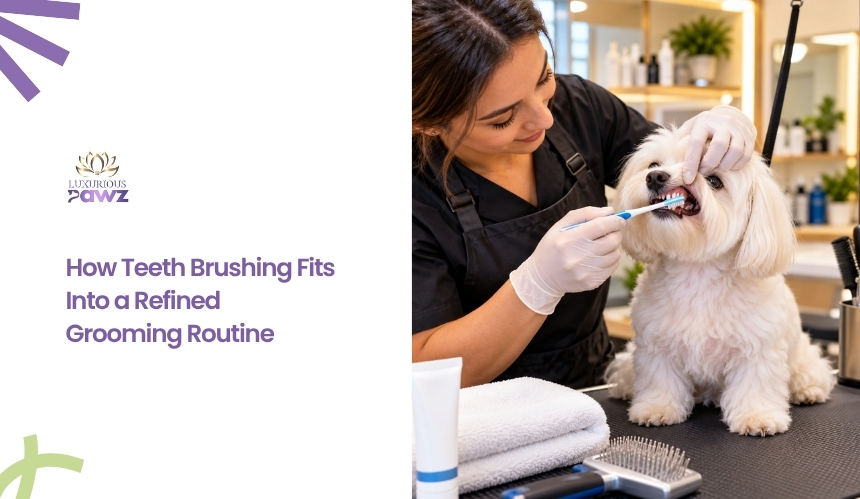
How Teeth Brushing Fits Into a Refined Grooming Routine
Key Takeaways
|
A refined grooming routine goes beyond hair, skincare, and personal presentation. Oral care is equally important, combining everyday cleanliness with long-term dental health. Brushing, interdental cleaning, and regular professional care can form a simple routine that keeps oral hygiene consistent without making grooming unnecessarily complicated.
Establishing Oral Care as the Foundation of Personal Grooming
Whether preparing for a day around Sunland or maintaining an evening self-care routine at home, oral hygiene is one of the most fundamental aspects of personal grooming. Teeth brushing helps remove plaque, while fluoride toothpaste provides additional protection against tooth decay.
Brushing as a Non-Negotiable Daily Ritual
Brushing should have a permanent place in a daily grooming routine rather than being treated as something reserved for mornings when there is extra time.
The American Dental Association recommends brushing teeth twice a day for two minutes with fluoride toothpaste. This regularity is important because plaque continually forms on tooth surfaces. Leaving plaque undisturbed can contribute to cavities and gum disease.
For residents of Sunland, CA, maintaining this routine can be especially practical when daily schedules vary between school, work, errands, outdoor activities, and time spent throughout the surrounding San Fernando Valley.
The key is not to brush with excessive force or spend an unusually long time scrubbing. Effective oral care depends on reaching the different surfaces of the teeth consistently and using an appropriate technique. A refined routine therefore prioritizes precision over intensity.
Sunland’s foothill setting, with nearby areas such as Shadow Hills, Tujunga, and La Tuna Canyon, means many pets experience an outdoor-oriented routine around residential streets, open spaces, and mountain-adjacent areas.
For dogs that regularly spend time outside, grooming can go beyond coat maintenance, making pet teeth brushing a practical part of a consistent hygiene routine alongside bathing, nail care, and coat grooming.
This approach keeps oral care connected to the way pets actually live in Sunland rather than treating it as a separate or occasional task.
Do You Know?
National Institute of Dental and Craniofacial Research notes that dental plaque is a bacterial film that continually develops on teeth. Regular brushing helps remove it before it can contribute to tooth decay and gum problems.
Choosing the Right Brushing Technique and Tools
A sophisticated oral-care routine does not require an extravagant collection of dental products. The fundamentals matter considerably more.
A soft-bristled toothbrush is generally recommended, and both manual and powered toothbrushes can be effective.
The ADA recommends replacing a toothbrush approximately every three to four months, or sooner when the bristles become frayed or worn.
During brushing, the toothbrush should reach the outer, inner, and chewing surfaces of the teeth. The gumline deserves particular attention because plaque can accumulate where the teeth and gums meet. Pressure should remain controlled.
Aggressive scrubbing is not a shortcut to cleaner teeth and can irritate the gums or contribute to unnecessary wear. Fluoride toothpaste is another important element. Fluoride strengthens tooth enamel and helps make teeth more resistant to the acids responsible for decay.
The result is a routine that is remarkably simple: a suitable toothbrush, fluoride toothpaste, approximately two minutes of careful brushing, and consistent repetition.
Integrating Oral Care Into the Morning and Evening Routine
The best grooming routines are structured around habits that naturally repeat. In the morning, brushing can become part of the sequence that includes washing the face, showering, skincare, hair care, and getting dressed.
In the evening, it can serve as one of the final personal-care steps before bed. Creating this predictable sequence makes oral care less dependent on motivation. Once it becomes associated with an established routine, skipping it feels less natural.
For someone living in Sunland, where a day may involve commuting through the Los Angeles area, outdoor activities, work, school, or social plans, having a simple routine can be more sustainable than attempting an elaborate regimen.
The sophistication lies in making essential care automatic, consistent, and uncomplicated.
Elevating the Details Beyond Basic Brushing
Brushing is the foundation, but it does not address every surface in the mouth. A complete grooming routine considers the areas a toothbrush cannot easily reach, along with habits that influence oral freshness throughout the day.
With Big Tujunga Canyon and the Angeles National Forest nearby, dogs in Sunland can encounter dry vegetation, dust, and outdoor debris that collect around the coat, paws, and ears.
A consistent dog grooming routine can therefore help maintain cleanliness while making it easier to notice matting, trapped debris, or skin irritation after outdoor activity, particularly for pets living near Sunland Boulevard and Oro Vista Avenue.
Complementing Brushing With Interdental Cleaning
The spaces between teeth can retain plaque even when the visible surfaces appear clean. Toothbrush bristles cannot always reach these areas effectively, which is why interdental cleaning can complement regular brushing.
Floss is one option, while interdental brushes and other specialised tools may be appropriate for different dental circumstances.
The objective is not to add another complicated ritual simply for the sake of appearing thorough. It is to address a specific limitation of brushing.
Floss should be guided carefully rather than forced between teeth. The cleaning movement should follow the shape of the tooth and reach toward the gumline without unnecessarily injuring the surrounding tissue.
For people developing a long-term oral-care routine in Sunland, the most useful approach is to choose an interdental method that can actually be performed consistently.
Do You Know?
National Institute of Dental and Craniofacial Research notes that plaque that remains on teeth can eventually harden into calculus, commonly known as tartar. Unlike soft plaque, calculus cannot simply be brushed away at home and generally requires professional removal.
Maintaining Freshness Throughout the Day
Morning brushing establishes a clean starting point, but oral freshness naturally changes throughout the day.
Food, beverages, oral bacteria, and saliva all influence the condition of the mouth. Saliva is particularly important because it contributes to the mouth’s natural protective environment.
Regular water consumption can support normal hydration and oral moisture. Dietary habits also matter, particularly frequent exposure to sugary foods and drinks, which can increase the conditions associated with tooth decay.
This can be particularly relevant during busy days around Sunland and the greater Los Angeles area, when meals and drinks may happen away from home.
However, freshness should not be confused with oral health. Breath mints or mouthwash may provide a temporary change in sensation or odour, but they do not replace plaque removal through brushing and interdental cleaning.
A polished routine focuses on the underlying cause of cleanliness rather than repeatedly covering up an unpleasant symptom.
Keeping Grooming Tools Clean and Well-Maintained
After brushing, the toothbrush should be rinsed and stored appropriately so it can dry between uses. When bristles become worn, frayed, or matted, the brush should be replaced rather than continuing to use it indefinitely.
The ADA recommends replacing toothbrushes approximately every three to four months or sooner when the bristles show significant wear.
This principle extends to the broader grooming environment. A clean and organised space makes daily care easier because essential items remain accessible.
There is also a practical psychological benefit: when a grooming routine is orderly, individual steps require less effort to initiate.
In that sense, organisation becomes part of the routine itself.
Do You Know?
The ADA recommends replacing a toothbrush approximately every three to four months, although a toothbrush should be replaced earlier if its bristles become noticeably worn or frayed.
Making Oral Care Part of a Long-Term Grooming Standard
Daily grooming is most valuable when it supports long-term health rather than simply creating a temporary polished appearance. Oral hygiene is no exception.
Recognizing When Routine Care Is Not Enough
Even an excellent brushing routine cannot diagnose or treat every dental problem.
Persistent bad breath, swollen or tender gums, bleeding during brushing, loose teeth, continuing sensitivity, or oral discomfort can indicate a need for professional assessment.
These symptoms should not simply be concealed with breath fresheners or increasingly elaborate home-care products.
A dental professional can examine areas that are difficult to assess independently and determine whether a symptom reflects an underlying dental or gum problem.
This is particularly important because some oral conditions may develop gradually without producing significant discomfort initially.
For Sunland residents, establishing a relationship with a qualified dental professional can therefore complement daily grooming habits rather than replace them.
Do You Know?
NIDCR notes that red, swollen, tender, or bleeding gums and persistent bad breath can be signs associated with gum disease. Professional assessment is appropriate when these symptoms persist.
Building Habits That Remain Consistent
An impressive grooming routine is not necessarily a complicated one. The strongest routine is usually the one that remains realistic during busy weeks, travel, school, work, social commitments, and ordinary disruptions.
For oral care, the foundation is straightforward: brush twice daily with fluoride toothpaste, clean between the teeth regularly, replace worn toothbrushes, and maintain appropriate professional dental care.
Consistency also makes changes easier to notice. When someone knows what their normal teeth and gums feel like, persistent changes may become apparent earlier.
Rather than repeatedly adding new products, it is more productive to make the essential practices dependable.
That approach is particularly suited to a refined grooming philosophy because it removes unnecessary complexity while retaining the habits that genuinely matter.
Creating a Polished Routine From Head to Smile
A complete grooming routine works as a collection of complementary habits. Hair care contributes to a neat appearance. Skincare supports the condition of the skin.
Bathing maintains body hygiene. Nail care contributes to overall neatness. Clothing and personal presentation complete the outward impression.
Oral care belongs naturally within the same framework. A clean mouth supports everyday comfort, communication, and oral health, while regular brushing helps maintain the condition of the teeth and gums.
For someone in Sunland, CA, this can be incorporated into a practical routine without turning personal care into an exhausting checklist.
The most refined approach is ultimately not about having the largest number of products or the longest routine. It is about cleanliness, health, consistency, and attention to detail.
Teeth brushing represents that philosophy perfectly. It takes only a few minutes, requires relatively little equipment, and yet plays an important role in maintaining oral health over time. A truly polished grooming routine is therefore not built around excess. It is built around doing the fundamentals properly, every day.
For pet owners across the Greater Los Angeles area, Luxurious Pawz provides professional grooming care designed around each pet’s individual needs. From routine coat maintenance to pet teeth brushing, our services can help keep everyday grooming consistent and comfortable.
Whether your dog needs regular grooming or more focused hygiene care, Luxurious Pawz offers a practical approach to maintaining your pet’s overall cleanliness and grooming routine.
Frequently Asked Questions
How often should teeth be brushed in Sunland, CA?
Teeth should generally be brushed twice a day for about two minutes each time using fluoride toothpaste. Brushing once in the morning and again before bed helps remove plaque and food debris while maintaining consistent fluoride exposure. Gentle, thorough brushing along the gumline and all tooth surfaces is more important than brushing aggressively.
Can brushing alone clean the entire mouth?
Brushing alone cannot effectively clean every tooth surface, especially the narrow spaces between teeth where toothbrush bristles may not reach. Floss, interdental brushes, or other interdental cleaners can complement twice-daily brushing by removing plaque and trapped debris from these areas. Cleaning the tongue may also help reduce odor-causing bacteria.
When should a toothbrush be replaced?
A toothbrush should generally be replaced every three to four months, according to the American Dental Association, or sooner when the bristles become frayed or matted. Worn bristles may not clean tooth surfaces as effectively. People using electric toothbrushes should follow similar guidance for replacing the removable brush head.
Does persistent bad breath always mean someone needs better grooming?
Persistent bad breath is not always caused by inadequate oral hygiene. It may be associated with gum disease, tooth decay, dry mouth, tongue bacteria, certain foods, tobacco use, or other health factors. If bad breath continues despite regular brushing, interdental cleaning, and tongue cleaning, a dental evaluation can help identify possible oral causes.