
- admin
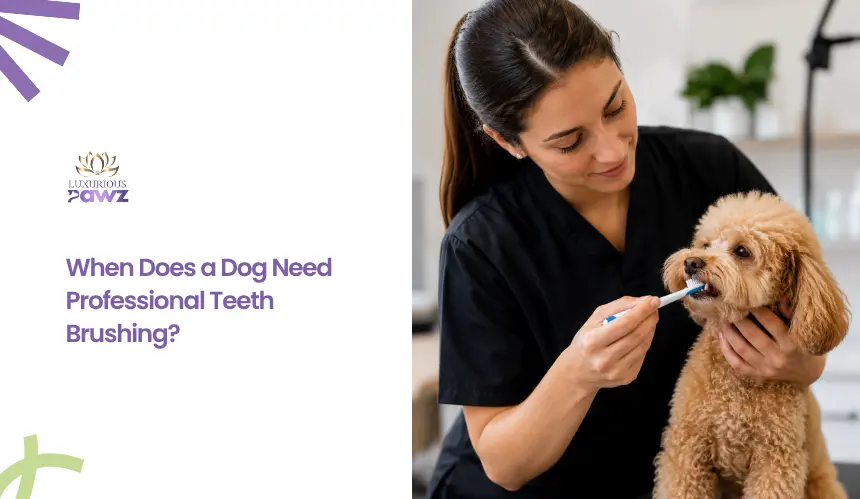
When Does a Dog Need Professional Teeth Brushing?
Key Takeaways
|
A dog’s dental health affects comfort, breath, eating habits, and overall wellness. At-home brushing helps, but some dogs still develop plaque, tartar, or gum irritation that needs professional attention.For pet owners in Pasadena, CA, professional teeth brushing can help keep a dog’s mouth cleaner when regular brushing is not enough.
Regular oral care is done to help control plaque, reduce bad breath, and keep a dog’s mouth more comfortable between veterinary dental checkups. Pet Teeth Brushing in Pasadena, CA is especially useful because many local dogs stay active outdoors, visit parks, walk on dusty streets, or eat treats that can leave residue around the teeth and gumline. Over time, that buildup may lead to odor, staining, tartar, or gum irritation. Professional brushing gives pet owners extra support when home brushing is difficult or not enough to keep the mouth clean.
What Is Professional Teeth Brushing for Dogs?
Professional teeth brushing for dogs is a focused oral hygiene service that cleans visible plaque, tartar-prone areas, and gumline buildup that routine home care may not fully control. For dog owners in Pasadena, CA, it can support regular dental maintenance when bad breath, staining, or visible buildup begins to appear.
Regular grooming helps dogs stay clean, comfortable, and healthier throughout the year. In Pasadena, CA dog grooming is important because local dogs may be exposed to warm weather, dry outdoor dust, seasonal shedding, park debris, and everyday buildup around the coat, paws, ears, and skin. Without proper grooming, loose fur, mats, odors, and dirt can collect quickly, especially in dogs with thicker or longer coats.
Professional grooming also helps pet owners notice early signs of skin irritation, fleas, ticks, lumps, ear concerns, or paw sensitivity before they become more uncomfortable. For dogs that spend time walking around Pasadena neighborhoods, visiting parks, or staying active outdoors, routine grooming supports better hygiene, coat health, and overall comfort.
How Does Professional Brushing Differ From At-Home Brushing?
At-home brushing helps limit daily plaque before it hardens, but it depends on consistency, technique, and how well a dog allows brushing.Professional brushing uses trained handling and more controlled cleaning methods to reach spots that are difficult to clean during home care , especially along the gumline and back teeth where bacteria and food particles collect.
What Areas Are Usually Cleaned?
This extra support can clean small areas that are difficult to manage at home, especially rear teeth and narrow spaces along the gum edges. These zones matter because trapped debris near the gums can contribute to odor, irritation, tartar formation, and early signs of dental discomfort.
Signs a Dog May Need Professional Teeth Brushing
A dog may need professional teeth brushing when oral changes become visible, persistent, or connected to eating discomfort. These signs usually point to oral buildup, trapped bacteria, or early gum sensitivity that daily brushing may not reach consistently.
Did You Know?
According to the American Animal Hospital Association, by 3 years of age, most dogs and cats have some level of periodontal disease, and it often goes unnoticed by owners. This makes early signs like bad breath, tartar, and gum redness important warning signals rather than minor cosmetic issues.
Persistent Bad Breath
Persistent bad breath can signal bacterial buildup on the teeth, along the gumline, or in areas where food particles collect. Occasional odor after eating is normal, but ongoing foul breath may indicate plaque accumulation or tartar that is trapping bacteria near the gums.
Yellow or Brown Tartar on Teeth
Yellow or brown buildup near the gumline is a common sign that plaque has hardened into tartar. Once tartar becomes visible, regular brushing at home may not remove it effectively, especially on back teeth or crowded areas where buildup attaches tightly to the tooth surface.
Red, Swollen, or Bleeding Gums
Red, swollen, or bleeding gums may point to gum inflammation caused by plaque and bacteria sitting near the gumline. These symptoms should not be ignored because irritated gums can become more sensitive over time and may lead to more serious dental problems if buildup remains untreated.
Trouble Chewing or Dropping Food
Changes in chewing behavior can suggest tooth sensitivity, gum soreness, or oral discomfort. If a dog drops food, chews on one side, avoids hard treats, or eats more slowly than usual, dental buildup or gum irritation may be affecting comfort during meals.
How Often Dogs May Need Professional Teeth Brushing
Dogs may need professional teeth brushing based on how quickly plaque returns, how much tartar forms, and how well their mouth responds to home care. Age, breed, tooth spacing, diet, and brushing consistency can all affect the timing.
Dogs With Mild Plaque Buildup
Dogs with light plaque and healthy gums may only need occasional professional brushing as part of routine oral maintenance. This extra support can clean small areas that are difficult to manage at home, especially rear teeth and narrow spaces along the gum edges.
Dogs Prone to Tartar or Gum Problems
Small breeds, senior dogs, and dogs with crowded teeth often develop buildup faster because tight tooth spacing gives bacteria more places to collect. These dogs may benefit from more frequent professional care to manage tartar before it causes odor, sensitivity, or gum irritation.
Did You Know?
Cornell University’s Riney Canine Health Center states that 80 to 90% of dogs over age 3 have some component of periodontal disease. The risk is higher in small breeds and increases as dogs age, which explains why some dogs need dental support more often than others.
Dogs With No Regular At-Home Dental Routine
Dogs that are not brushed regularly may need professional brushing sooner because plaque can harden before visible symptoms become obvious. Without consistent oral care, buildup can stay on the teeth longer and increase the risk of bad breath, staining, chewing discomfort, and inflamed gums.
How Often Dogs May Need Professional Teeth Brushing
Dogs may need professional teeth brushing at different intervals depending on plaque level, tartar risk, age, breed, and home dental routine. The right timing depends on how quickly buildup returns and whether the gums show signs of irritation.
Dogs With Mild Plaque Buildup
Dogs with mild plaque buildup may only need occasional professional brushing when regular at-home brushing keeps most tooth surfaces clean. In these cases, professional support can help manage areas that are easy to miss, such as the back teeth, gumline edges, and spaces where food particles collect.
Dogs Prone to Tartar or Gum Problems
Small dog breeds, senior dogs, and dogs with crowded teeth may need professional brushing more often because plaque can collect faster in tight spaces. Crowded teeth create more hiding spots for bacteria, while older dogs may have weaker gum health and a higher risk of tartar buildup.
Dogs With No Regular At-Home Dental Routine
Dogs without consistent at-home brushing may need professional care sooner because plaque can harden into tartar before owners notice visible changes. Without routine oral hygiene, bacteria can stay near the gumline longer, increasing the chance of bad breath, staining, gum irritation, and chewing discomfort.
Why Professional Teeth Brushing Matters for Dog Health
Professional teeth brushing supports dog health by reducing the buildup that can collect around teeth, gums, and hard-to-reach oral surfaces. When plaque and tartar remain untreated, the mouth can become a source of odor, irritation, sensitivity, and deeper dental risk.
Helps Reduce Plaque and Bacteria
Plaque forms when food particles, saliva, and bacteria collect on the teeth. If plaque stays near the gumline, bacteria can produce odor and irritate the surrounding tissue. Professional brushing targets visible buildup and areas that routine home brushing may miss, which can reduce the bacterial load behind bad breath and gum discomfort.
Supports Healthier Gums
Clean teeth and better gumline care can lower the chance of plaque sitting against sensitive gum tissue. When buildup is reduced, the gums are less likely to stay red, swollen, or tender. Healthier gums also make chewing more comfortable because the tissue around the teeth is not under constant irritation from trapped debris.
May Help Prevent More Serious Dental Issues
Untreated buildup can progress from surface staining to tartar, gum inflammation, tooth sensitivity, and advanced dental disease. Over time, dental problems may lead to pain, infection, loose teeth, or tooth loss. Professional brushing provides preventive support before minor buildup turns into a more serious oral health concern.
When to See a Veterinarian Instead of Only Scheduling Brushing
Professional brushing is useful for routine dental maintenance, but some symptoms need veterinary attention first. Pain, swelling, damaged teeth, or appetite changes may point to a condition that brushing alone cannot safely address.
Severe Pain, Swelling, or Bleeding
Severe mouth pain, facial swelling, heavy bleeding, or repeated gum bleeding may signal infection, injury, or advanced dental inflammation. These signs need a veterinary dental exam because the problem may involve the tooth root, gum tissue, or deeper oral structures.
Loose, Broken, or Missing Teeth
Loose, broken, or missing teeth are structural dental problems, not routine cleaning issues. Brushing cannot repair a cracked tooth, stabilize a loose tooth, or treat damage below the gumline. A veterinarian can check whether the dog needs dental treatment, pain management, or tooth-specific care.
Strong Odor With Appetite Changes
Bad breath becomes more concerning when it appears with reduced eating, slow chewing, drooling, or refusal of hard food. This combination may show that odor is linked to pain, infection, or sensitivity rather than simple surface buildup. A veterinary checkup can identify whether professional brushing is enough or whether dental treatment is needed.
Choosing Professional Dog Teeth Brushing in Pasadena
Dog owners in Pasadena, CA can make dental care easier to maintain by choosing a nearby provider that understands safe handling, oral hygiene, and referral limits. A reliable brushing service should focus on comfort, cleanliness, and knowing when a dog needs veterinary dental care instead.
Why Local Dental Care Access Matters
Nearby access makes regular dental maintenance easier to schedule before visible buildup becomes severe. For dog owners in Pasadena, CA, local professional brushing can be useful when a dog has recurring bad breath, tartar-prone teeth, or difficulty tolerating brushing at home. Consistent care is easier when appointments are convenient and part of a normal pet wellness routine.
What Dog Owners Should Ask Before Booking
Before booking, dog owners should ask how the teeth are brushed, what areas are cleaned, and how the dog is handled during the service. They should also ask about staff experience, cleaning products, safety practices, stress reduction methods, and whether the provider recommends a veterinary dental exam when symptoms look more serious than routine plaque or tartar buildup.
Give your dog the clean, comfortable care they deserve with Luxurious Pawz. From professional pet teeth brushing to gentle grooming support, Luxurious Pawz helps Pasadena pet owners keep their dogs feeling fresh, healthy, and well cared for. Whether your dog has bad breath, visible buildup, shedding, or needs routine hygiene care, the team provides patient, pet-friendly service focused on comfort and cleanliness. Schedule a visit today and make your dog’s next grooming experience feel easier, cleaner, and more relaxing.
Frequently Asked Questions
Can Pet Teeth Brushing Replace a Veterinary Dental Cleaning?
No. Pet teeth brushing helps clean visible buildup and support routine oral hygiene, but it does not replace a veterinary dental cleaning. A veterinarian is needed when a dog has loose teeth, infection, severe gum disease, pain, swelling, or problems below the gumline.
Is Professional Teeth Brushing Safe for Nervous Dogs?
Professional teeth brushing can be suitable for many nervous dogs when the service uses calm handling, short sessions, and pet-safe products. If a dog shows strong fear, mouth sensitivity, biting behavior, or pain, a veterinary exam may be the safer first step.
Can Dental Chews Replace Brushing for Dogs?
Dental chews can support oral care, but they should not fully replace brushing. Chews may help reduce some plaque through chewing action, but brushing gives more direct cleaning around the gumline, back teeth, and areas where food particles collect.
Why Do Small Dogs Often Need More Dental Care?
Small dogs often have tighter tooth spacing, which gives plaque and bacteria more places to collect. Because buildup can develop faster in crowded mouths, small breeds may need more consistent brushing, dental checks, and professional oral care support.
Should Teeth Brushing Be Added to Regular Dog Grooming?
Yes, teeth brushing can be added to regular dog grooming when the dog does not show signs of pain, infection, or severe dental disease. Adding oral care to grooming helps make dental hygiene part of a normal cleanliness routine instead of a separate last-minute concern.
How Can Pasadena Dog Owners Know Brushing Is Not Enough?
Pasadena dog owners should look beyond surface stains. If a dog has strong odor, swollen gums, trouble chewing, drooling, facial swelling, loose teeth, or bleeding, brushing alone may not be enough. These signs may require a veterinarian before routine brushing is scheduled.