
- admin
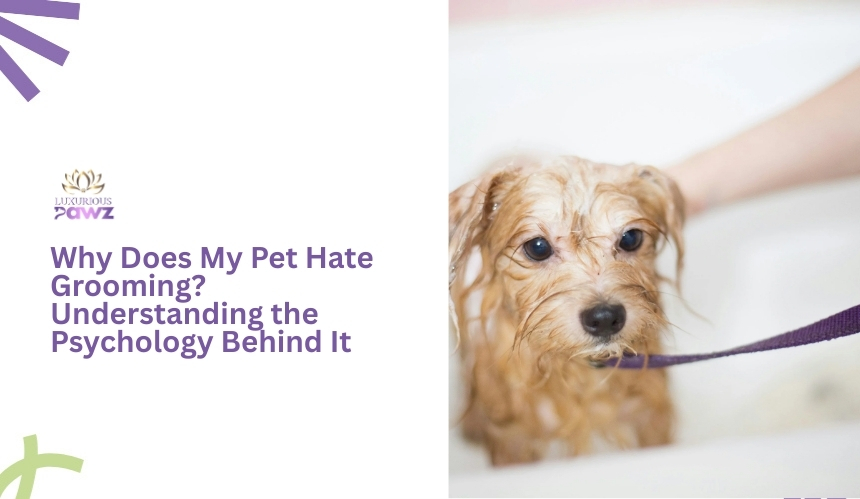
Why Does My Pet Hate Grooming? Understanding the Psychology Behind It
Key Takeaways
|
You set out the brush, turn on the tap, or pick up the nail clippers, and suddenly your usually sweet pet stiffens, hides, or growls. It feels confusing and even a little hurtful. Grooming is meant to help them, so why does it trigger fear, resistance, or outright panic?
The truth is that grooming touches on deep behavioral instincts. Loud tools, unfamiliar handling, restraint, and exposure of sensitive body parts can activate a pet’s stress response system.
This article will break down how pets perceive grooming, the behavioral triggers behind resistance, and the practical strategies that can gradually rebuild trust and comfort.
Grooming Through Your Pet’s Eyes: How Animals Perceive The Experience
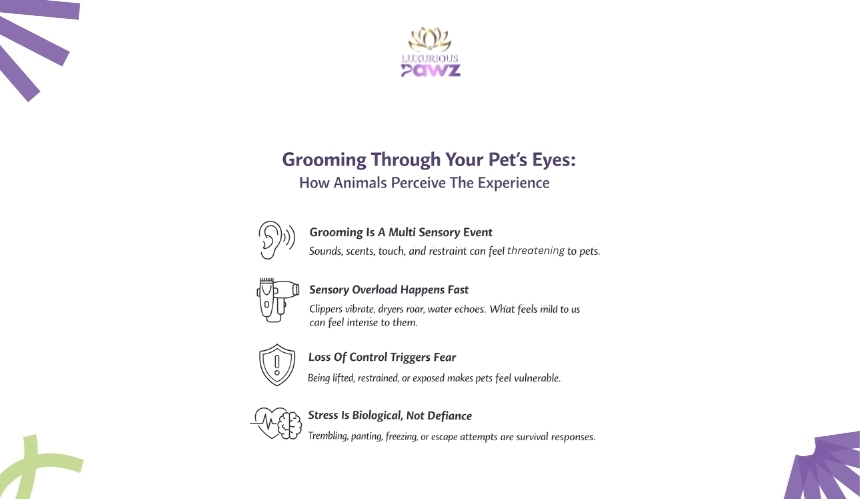
Before labeling a pet as “difficult,” it helps to pause and see the situation from their perspective. Grooming is not a cosmetic routine in an animal’s mind. It is a multi-sensory event that can trigger instinctive survival responses. The sounds, smells, physical restraint, and unfamiliar handling can all register as potential threats within seconds.
How Does Sensory Overload Trigger Grooming Anxiety?
Many pets experience grooming as a form of sensory overstimulation. Electric clippers produce high-frequency vibrations. Running water echoes in enclosed spaces. Dryers create intense airflow and noise. Even strong shampoo fragrances can overwhelm animals with heightened olfactory sensitivity.
Dogs and cats process sound and scent far more acutely than humans. What feels mildly loud to a person can feel alarming to a pet’s auditory system. This overstimulation activates the sympathetic nervous system, releasing cortisol and triggering a fight-or-flight response.
Signs such as trembling, panting, dilated pupils, or attempts to escape are not defiance. They are biological stress reactions.
Pets with sensory sensitivity or tactile defensiveness may react strongly to brushing, especially if their coat type causes pulling. Double-coated breeds, for example, can feel discomfort when undercoat tools tug at dense fur. Cats, known for precise self-grooming behaviors, may perceive external brushing as intrusive rather than helpful.
Pro Tip: Spraying a feline facial pheromone product on a towel or grooming surface 10–15 minutes before grooming can reduce stress behaviors in cats during handling contexts. A clinical study found that feline facial pheromone spray improved cat welfare and reduced stress behaviors during veterinary consultations. |
Why Does Loss Of Control Make Grooming Feel Threatening?
Grooming often requires physical positioning that removes a pet’s sense of control. Being lifted onto a table, restrained for nail trimming, or held still during ear cleaning creates vulnerability. In the wild, exposure of paws, belly, ears, and tail signals defenselessness. These areas are biologically sensitive.
When movement is restricted, some pets interpret it as confinement similar to a predator’s grip. This perception can trigger defensive behavior such as freezing, growling, or snapping.
Elevated surfaces add another stress layer, especially for animals that struggle with balance or lack confidence in unstable environments.
Trust threshold also plays a role. If a pet does not fully trust the handler, any forced restraint lowers that trust further. The brain forms quick associations between vulnerability and perceived danger. Over time, even the sight of grooming tools can activate anticipatory anxiety before the session even begins.
Common Psychological Reasons Pets Resist Grooming
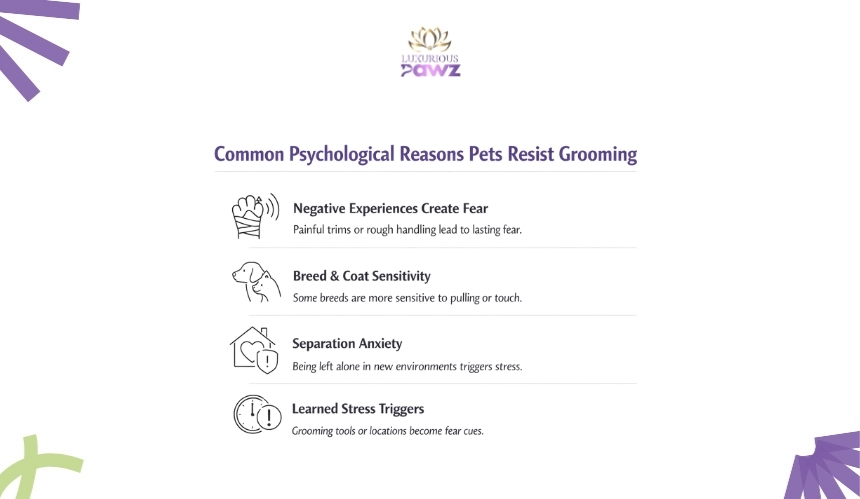
Once you understand how pets perceive grooming, the next step is identifying the underlying psychological drivers behind resistance.
Grooming aversion is rarely random. It is usually rooted in learned associations, genetic temperament, or attachment patterns that influence how an animal processes stress.
1. A Negative Grooming Experience Create Long-Term Fear
Yes, and it happens more often than most owners realize. Behavioral science confirms that animals form rapid associations between discomfort and environmental cues. A single painful nail trim that cuts into the quick, a brush that pulls on matted fur, or water forced into the ears can create fear imprinting. The brain encodes the event as a threat.
This process is known as classical conditioning. The grooming table, clippers, or even the bathroom door can become predictive stress triggers. Research in applied animal behavior shows that stress memory consolidation can occur after just one high-intensity negative event. That means the pet is not “being dramatic.” It is responding to a stored survival memory.
In professional grooming environments, ethical handlers understand this. Reputable facilities prioritize low-stress handling protocols to prevent trauma-based associations from forming in the first place.
2. Breed Traits And Coat Types Influence Grooming Tolerance
Temperament and physiology both matter. Certain breeds have higher baseline reactivity due to their working history. Herding breeds, guard breeds, and high-alert working dogs often display heightened environmental awareness. This can translate into lower tolerance for restraint or unexpected touch.
Coat structure also affects comfort levels. Double-coated breeds such as retrievers or shepherd-type dogs require undercoat removal. If brushing is rushed or performed with improper tools, it can create repetitive pulling discomfort. Long-haired cats, especially those prone to matting, may experience pain when dense tangles are separated.
Veterinary dermatology data shows that skin sensitivity varies significantly across breeds. Thin-coated dogs and some feline breeds have more delicate skin layers, making them more reactive to friction or pressure. What appears to be resistance may actually be a pain avoidance response.
3. Separation Anxiety Impact Grooming Behavior
For many pets, grooming is not only about handling. It is about context. Being dropped off at a grooming salon introduces environmental change, unfamiliar handlers, new scents, and auditory stimuli from other animals. For dogs with attachment-based anxiety, this separation can elevate heart rate and cortisol levels before grooming even begins.
Studies in canine behavioral medicine indicate that dogs with moderate separation distress show increased stress markers in novel environments. |
That stress amplifies during physical restraint or close handling. Cats, known for strong territory-based security patterns, may react even more intensely when removed from their familiar space.
Emotionally, what owners often witness is not disobedience. It is insecurity. The pet is communicating discomfort in the only language it knows.
Understanding whether resistance stems from trauma, breed sensitivity, or attachment anxiety allows for a strategic and compassionate approach moving forward.
Behavioral Signs That Indicate Grooming Anxiety
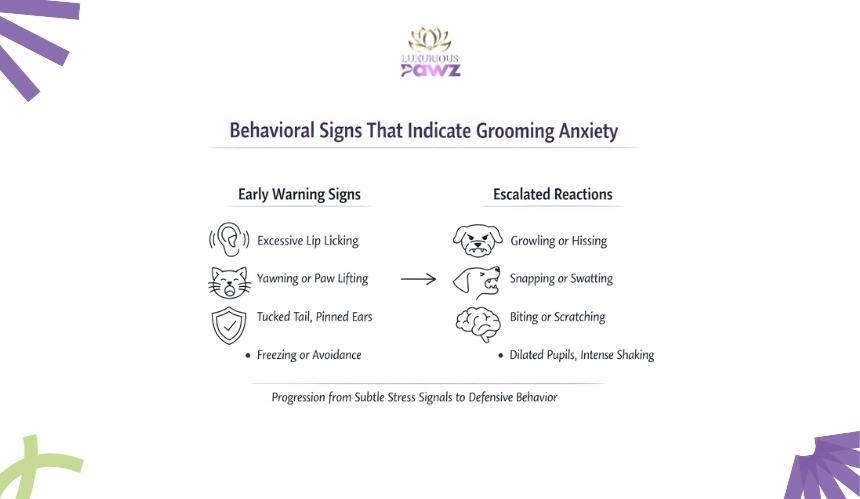
Resistance during grooming rarely appears without warning. Most pets communicate discomfort long before behavior escalates into snapping or hiding. The challenge is that these signals are subtle and often misread as stubbornness or impatience. In reality, they are measurable stress responses tied to neurological activation and emotional discomfort.
What Are The Early Warning Signals Of Grooming Stress?
Early-stage grooming anxiety presents through small but meaningful behavioral shifts. Lip licking, yawning unrelated to tiredness, paw lifting, or brief freezing are classic calming signals. These behaviors represent an internal attempt to regulate stress before escalation.
From a behavioral science perspective, these are displacement behaviors. Research in veterinary behavior medicine links such signals to rising cortisol levels and activation of the autonomic nervous system.
Tail tucking, pinned ears, muscle stiffness, or avoidance eye contact indicate sympathetic nervous system engagement. In cats, tail flicking, crouched posture, and ear rotation often appear before any overt reaction.
Professionally trained groomers monitor these micro-signals closely. Early detection allows for pauses, environmental adjustments, or technique changes that prevent the session from becoming overwhelming.
When Does Anxiety Escalate Into Defensive Or Aggressive Reactions?
If early signals are overlooked, anxiety can progress into overt defensive behavior. Growling, snapping, swatting, hissing, trembling, or attempting to escape are protective responses rooted in perceived threat. These behaviors are not signs of dominance. They are survival mechanisms triggered by fear.
Behavioral data shows that fear-based aggression is one of the most common causes of handling incidents in both grooming salons and veterinary clinics. When a pet feels restrained without control or escape options, the amygdala activates rapid defense output. This neurological reaction can occur within seconds.
Additional stress indicators include excessive shedding during brushing in dogs, rigid body posture, dilated pupils, and sudden vocalization in cats. At this stage, the pet’s stress threshold has been exceeded.
Recognizing the progression from subtle signals to defensive reactions provides clarity. It shifts the focus from blaming the pet to adjusting the handling strategy, which becomes essential for rebuilding grooming tolerance in a safe and structured way.
Grooming Anxiety Across The Northeast Los Angeles Foothill Region
In areas like Pasadena, CA, Altadena, CA, La Cañada Flintridge, CA, and nearby foothill communities, environmental factors can subtly influence grooming-related stress behaviors. Many homes sit close to busy corridors such as Colorado Boulevard or Foothill Boulevard, where traffic noise, sirens, and neighborhood activity increase baseline alertness in pets.
Dogs that are already sensitive to sound may arrive at grooming appointments with elevated arousal levels before handling even begins.
Foothill-adjacent neighborhoods such as La Crescenta, CA, Montrose, CA, and Shadow Hills, CA also tend to have larger properties and outdoor-oriented lifestyles. Pets that spend significant time outdoors may show heightened territorial awareness or protective behavior when brought into unfamiliar grooming environments.
In more urban pockets like Glendale, CA, Burbank, CA, and Highland Park, CA, frequent exposure to high-density environments, traffic vibration, and construction noise can contribute to noise sensitivity. For these pets, clippers and high-velocity dryers may trigger faster sympathetic nervous system activation.
How To Reduce Grooming Anxiety At Home
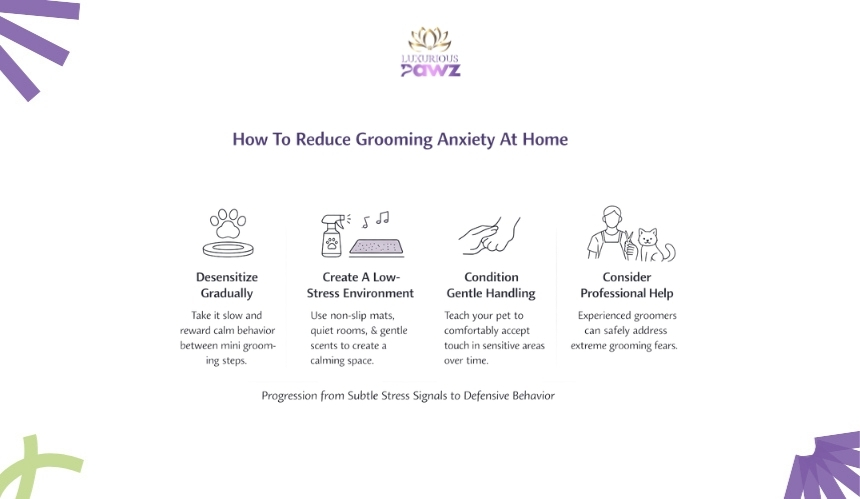
Once the root causes and behavioral signals are understood, the next step is structured intervention. Reducing grooming anxiety is not about forcing compliance.
It requires behavioral conditioning, environmental management, and consistent reinforcement. When approached strategically, many pets can shift from resistance to tolerance, and in some cases, calm cooperation.
Desensitization Through Gradual Exposure
Systematic desensitization is one of the most effective behavior modification techniques used in animal training. Instead of performing a full grooming session immediately, exposure begins at a low intensity and increases gradually over time.
For example, place the brush near the pet without using it. Reward calm behavior with high-value treats or verbal praise. Next, briefly touch the brush to the coat without stroking.
Over multiple short sessions, extend the duration slowly. The same method applies to nail clippers, dryers, and bathing routines.
Behavioral studies show that gradual exposure paired with positive reinforcement lowers stress hormone levels and builds new neural associations.
The key is timing. Sessions should remain short, typically 3 to 5 minutes initially, ending before signs of discomfort appear. Consistency builds predictability, and predictability reduces anxiety.
Creating A Low-Stress Grooming Environment
Environmental control significantly influences stress levels. A quiet room away from household traffic minimizes external stimuli. Non-slip mats improve footing stability, reducing insecurity on hard surfaces. Lukewarm water, instead of sudden temperature shifts, prevents sensory shock during baths.
Sound management also matters. If clippers are required, allowing the pet to hear the device turned on at a distance before contact helps reduce startle responses. Some behavior specialists recommend background white noise to soften sharp grooming sounds.
Lighting and scent play roles as well. Bright overhead lighting can increase alertness in sensitive pets, while harsh fragrances may overwhelm their olfactory system. A calm setup supports emotional regulation and prevents overstimulation before it begins.
Pro tip: Playing low-tempo classical music at a moderate volume has been linked to calmer behavior and stress-related physiological changes in kenneled dogs (behavioral indicators and heart rate variability). |
Touch Conditioning And Handling Training
Handling tolerance must be trained intentionally. Many pets resist grooming because sensitive areas such as paws, ears, and tails were never conditioned for regular touch. Cooperative care training addresses this gap.
Start with gentle contact in neutral moments, not during full grooming sessions. Briefly hold a paw, reward calm behavior, and release. Gradually extend duration over days or weeks. Ear lifts, light brushing strokes, and tail handling should follow the same incremental pattern.
Modern cooperative care protocols emphasize consent-based training. This means observing body language cues and allowing the pet short breaks rather than restraining through resistance.
Research in applied animal behavior indicates that animals given controlled participation opportunities demonstrate improved long-term compliance. |
Structured desensitization, environmental stability, and touch conditioning create a foundation for progress. When implemented consistently, these strategies reduce anxiety without suppressing emotional signals, leading to safer and more humane grooming experiences.
When Professional Grooming Becomes Necessary
Home conditioning helps many pets, but some situations require trained intervention. Severe matting, curled or overgrown nails, skin infections, or escalating aggression are not cosmetic concerns. They directly impact mobility, circulation, and dermatological health. When anxiety prevents safe handling at home, delaying grooming can increase discomfort and medical risk.
A Professional dog groomer is trained to evaluate coat density, nail structure, skin condition, and behavioral thresholds before beginning the session. Through low-stress restraint techniques and properly calibrated tools, they reduce pulling, vibration sensitivity, and injury risk while maintaining efficiency and safety.
Similarly, a Professional Cat groomer understands feline-specific stress responses, handling sensitivity, and coat matting patterns. Cats often require quieter environments, controlled positioning, and precise tool use to prevent escalation. Professional intervention, when necessary, protects long-term physical health while respecting the pet’s emotional boundaries.
Pro tip: Before a full grooming appointment, schedule two to three short “happy visits”: walk in, let the pet sniff, step on the scale, meet the groomer, then leave. This builds neutral-to-positive associations with the place and reduces fear escalation. |
If grooming time feels like a battle instead of bonding, you are not alone. Your pet’s fear is a signal, not a flaw, and with the right care, it can be gently reshaped. At Luxurious Pawz, every session is built around patience, low-stress handling, and genuine compassion.
Frequently Asked Questions
Can grooming anxiety develop suddenly in adult pets?
Yes, sudden grooming resistance can appear even in previously tolerant pets. Changes in health such as arthritis, ear infections, dental pain, or skin irritation can make normal handling uncomfortable. Age-related sensory decline may also increase startle responses. A veterinary checkup is recommended if grooming behavior changes abruptly without a clear trigger.
Does frequent professional grooming make pets more tolerant over time?
Consistency often improves tolerance when sessions are structured and calm. Predictable scheduling, typically every 4 to 8 weeks depending on coat type, helps normalize the experience. Inconsistent or emergency-only visits tend to increase anticipatory stress. Gradual familiarity with the environment and handler can strengthen emotional stability.
Are certain grooming tools better for sensitive pets?
Yes, tool selection significantly affects comfort. Low-vibration clippers, rounded-tip shears, soft slicker brushes, and quiet forced-air dryers reduce sensory strain. For noise-sensitive pets, variable-speed dryers and sound-dampened equipment are preferred. Using tools designed for coat type and skin sensitivity minimizes discomfort and improves tolerance.
Can diet and skin health influence grooming behavior?
Poor coat condition caused by nutritional imbalance or underlying dermatological issues can increase brushing discomfort. Omega-3 fatty acids, proper hydration, and veterinary-guided skin care often improve coat elasticity and reduce irritation. Healthier skin typically leads to improved grooming tolerance because physical discomfort is reduced.
At what age should grooming training begin?
Early exposure during the socialization window, typically between 8 and 16 weeks of age, helps build positive associations with handling. However, adult pets can still learn through structured conditioning. The key factor is gradual exposure combined with consistent reinforcement, not the age at which training begins.