
- admin
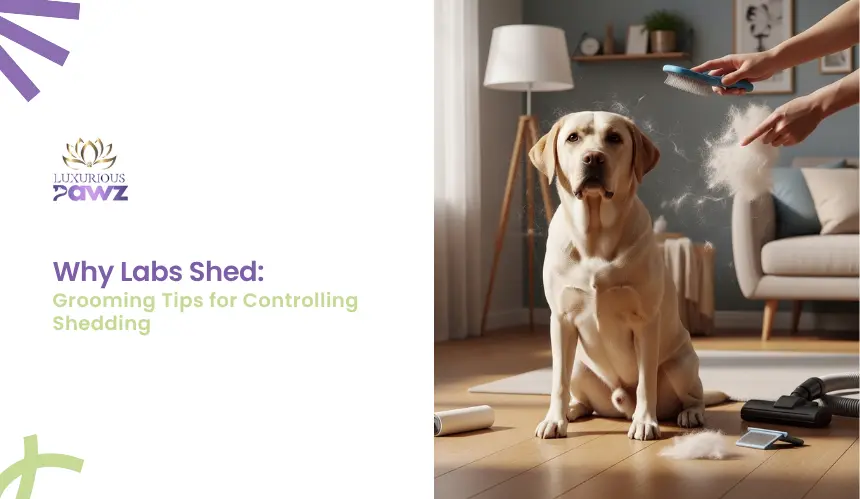
Why Labs Shed: Grooming Tips for Controlling Shedding
Key Takeaways:
|
Labrador Retrievers are one of the most popular dog breeds, but their shedding is often a major concern for owners. What many people don’t realize is that shedding is not just a random occurrence; it is a biologically structured process tied to the Labrador’s coat function, environment, and overall health. When you understand how and why Labs shed, you can control it effectively instead of constantly reacting to it.
Understanding the Natural Shedding Mechanism of a Labrador
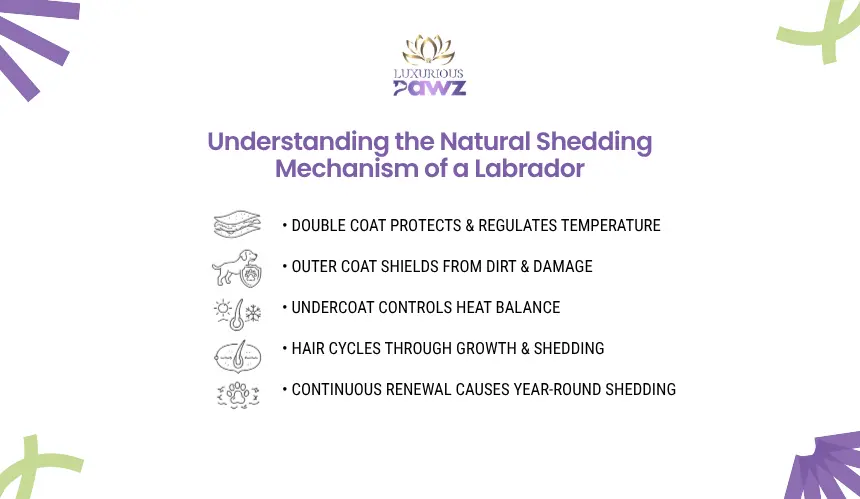
Labradors are equipped with a double coat, which is specifically designed for protection and adaptability.
- The outer coat acts as a shield against dirt, water, and external damage
- The undercoat regulates temperature by trapping or releasing heat
- Hair naturally cycles through growth, rest, and shedding phases
- Old or weak hair is continuously replaced by new growth
This continuous renewal process is why Labradors shed throughout the year rather than in isolated periods.
Do You Know?: A Labrador’s coat is water-resistant due to natural oils, which also play a role in how hair sheds and regenerates. |
Seasonal Shedding Patterns of a Labrador.
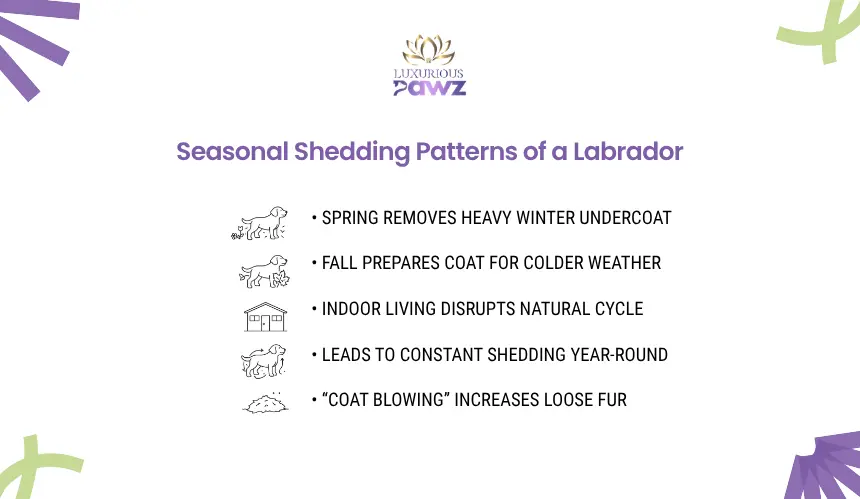
Although shedding is constant, it intensifies during certain times of the year due to environmental changes.
- In spring, Labradors shed their dense winter undercoat
- In the fall, they prepare for colder weather by replacing lighter fur
- Indoor environments can disrupt this cycle, causing steady shedding year-round
These seasonal transitions often result in noticeable increases in loose fur, commonly referred to as “coat blowing.”
The Role of Skin and Coat Health in a Labrador

The condition of your Labrador’s skin directly affects how much it sheds. Healthy skin supports controlled shedding, while imbalances lead to excessive hair loss.
- Natural oils keep the coat smooth and resilient
- Hydrated skin prevents dryness and breakage
- Strong follicles hold hair firmly until natural shedding occurs
When this balance is disturbed, shedding becomes more frequent, uneven, and harder to manage.
Do You Know? Most of the loose fur you see in your home comes from the undercoat, not the visible top layer. |
Brushing Techniques for Labradors That Reduce Shedding

Brushing is the most effective way to control shedding because it removes loose hair before it spreads.
- Use an undercoat rake to target deep loose fur
- Follow with a slicker brush to smooth the outer coat
- Brush at least 3–5 times per week
- Increase brushing frequency during heavy shedding periods
Regular brushing also improves blood circulation and distributes natural oils evenly across the coat.
Bathing a Labrador Without Increasing Hair Loss
Bathing plays a supportive role in shedding control, but only when done correctly.
- Bathe every 4–6 weeks to maintain coat health
- Use dog-specific, gentle shampoo
- Avoid excessive washing, which strips natural oils
- Rinse thoroughly to prevent residue buildup
Proper bathing loosens dead hair, making it easier to remove during brushing sessions.
Do You Know? Over-bathing can weaken the coat’s natural defense system, leading to increased shedding and dryness. |
Drying Methods That Make a Difference in a Labrador’s coat.
Drying is often overlooked, yet it significantly impacts shedding control.
- Use a high-velocity dryer to remove loose undercoat
- Brush while drying to capture shedding hair
- Avoid leaving the coat damp for extended periods
This step can remove a large amount of loose fur in one session, reducing shedding afterward.
Lifestyle Factors in a Labrador
External conditions can either stabilize or disrupt your dog’s shedding cycle.
- Temperature changes influence coat thickness
- Stress can trigger abnormal shedding
- Lack of grooming increases loose hair accumulation
- Clean living spaces help manage fur spread
Consistency in routine helps regulate the natural shedding process.
Temperature Regulation and Indoor Living
Modern living environments significantly influence a Labrador’s natural shedding rhythm. Unlike outdoor dogs, indoor pets are exposed to controlled temperatures year-round.
- Constant indoor heating or cooling reduces seasonal coat adjustment
- Artificial lighting can confuse natural biological cycles
- Leads to continuous, moderate shedding instead of seasonal patterns
This is why many indoor Labradors shed consistently rather than in predictable phases.
Stress and Emotional Triggers
A dog’s emotional state has a direct impact on its physical condition, including shedding behavior.
- Sudden routine changes can trigger shedding spikes
- Anxiety increases cortisol levels, affecting hair follicles
- Lack of mental stimulation may lead to excessive grooming and hair loss
Stress-related shedding often appears suddenly and may resolve once the dog feels secure again.
Grooming Consistency and Coat Management
Do You Know? Even short-term stress, like a vet visit or travel, can cause temporary shedding known as “stress shedding. |
Inconsistent grooming allows loose undercoat to accumulate, making shedding appear worse than it actually is.
- Irregular brushing leads to fur buildup
- Matted undercoat traps dead hair and skin debris
- Sudden heavy shedding may occur when grooming resumes
A consistent grooming routine keeps the coat balanced and prevents sudden shedding overload.
Cleanliness and Living Environment
The condition of your dog’s surroundings plays a role in how shedding is perceived and managed.
- Clean bedding reduces hair accumulation
- Regular vacuuming minimizes visible shedding
- Dust and allergens can irritate skin and increase hair loss
Maintaining a clean environment helps control both shedding and skin health.
Routine Stability and Coat Balance
Dogs thrive on routine, and consistency helps regulate their internal systems, including shedding cycles.
- Regular feeding times support metabolic stability
- Regular exercise improves circulation and coat health
- Predictable grooming schedules maintain coat condition
When daily routines are stable, shedding becomes more controlled and easier to manage over time.
The Role of Hydration in Coat Health
Water intake is often overlooked, yet it plays a critical role in maintaining skin elasticity and coat strength.
- Proper hydration keeps skin supple and less prone to irritation
- Prevents dryness that leads to hair breakage
- Supports nutrient absorption for healthier follicles
Dehydration can silently contribute to shedding by weakening the skin barrier.
Impact of Poor Diet on Shedding Patterns
An imbalanced diet does not just increase shedding: it changes how and where shedding occurs.
- Leads to uneven or patchy hair loss
- Causes dull, lifeless coat texture
- Triggers itching and skin sensitivity
These changes indicate that the body is not receiving the nutrients required to maintain a stable coat cycle.
Feeding Consistency and Long-Term Results
Improving diet does not produce instant results; coat health improves gradually over time.
- New hair growth reflects dietary changes after several weeks
- Consistency is more important than short-term adjustments
- Sudden diet changes can disrupt digestion and worsen shedding
A stable, nutrient-rich diet ensures long-term coat balance and controlled shedding rather than temporary improvement.
Do You Know? Dogs can shed more during stressful situations such as travel, new environments, or changes in routine. |
Common Mistakes to Avoid When Grooming a Labrador

Some common practices unintentionally make shedding worse.
- Over-bathing removes essential oils
- Using human products disrupts skin balance
- Skipping brushing allows undercoat buildup
- Shaving damages the natural coat structure
Avoiding these mistakes is essential for long-term shedding control.
When Labrador’s Shedding Signals a Problem
Not all shedding is normal. Certain signs indicate underlying health concerns.
- Patchy or uneven hair loss
- Red, irritated, or flaky skin
- Constant scratching or licking
- Sudden increase in shedding
These symptoms may point to allergies, infections, or nutritional deficiencies and should be evaluated by a veterinarian.
Common Skin Allergies and Their Impact
Allergies are one of the most common causes of abnormal shedding in Labradors. When the immune system reacts to environmental or dietary triggers, it affects both the skin and coat health.
- Food allergies (chicken, grains, dairy) can lead to chronic shedding
- Environmental allergens like pollen, dust, or mold irritate the skin
- Flea allergy dermatitis can cause intense itching and rapid hair loss
These conditions weaken hair follicles, causing excessive shedding beyond the normal cycle. Identifying and eliminating the trigger is essential for recovery.
Parasitic Infections That Trigger Hair Loss
External parasites can silently damage your dog’s coat and skin, leading to noticeable shedding issues.
- Fleas cause constant itching and fur breakage
- Mites (such as mange) lead to patchy hair loss
- Ticks can irritate the skin and weaken coat health
These parasites disrupt the skin barrier, making shedding uneven and often accompanied by inflammation or sores.
Nutritional Deficiencies and Coat Weakness
A lack of essential nutrients directly impacts hair strength and growth cycles.
- Low protein intake weakens hair structure
- Deficiency in fatty acids leads to dry, brittle fur
- Lack of vitamins affects follicle stability
When the body cannot support healthy hair production, shedding becomes excessive and continuous.
Do You Know? Hair is primarily made of protein, which means even a slight protein deficiency can significantly increase shedding. |
Hormonal Imbalances and Shedding Changes
Hormonal issues can alter the natural hair growth cycle, leading to abnormal shedding patterns.
- Thyroid disorders often cause a thinning coat and dull fur
- Hormonal imbalances can delay hair regrowth
- Changes may appear gradually but worsen over time
Unlike normal shedding, this type is often persistent and does not improve with grooming alone.
Stress-Related Shedding
Emotional and environmental stress can trigger sudden shedding in Labradors.
- Changes in environment or routine
- Travel or separation anxiety
- Introduction of new pets or people
Stress affects hormone levels, which in turn disrupt the hair cycle and lead to unexpected shedding spikes.
When to Seek Veterinary Attention
Recognizing the difference between normal and problematic shedding is crucial.
- Shedding worsens suddenly without a seasonal reason
- Visible skin damage or discomfort
- Hair loss that does not improve with grooming or diet
Early intervention helps prevent more serious health complications and restores coat balance more effectively.
Local Conditions Impact Labrador’s Coat.
Environmental conditions across areas like Altadena, Pasadena, Glendale, and surrounding California neighborhoods play a significant role in how Labradors shed and maintain their coats. Seasonal temperature shifts, especially warm, dry summers and mild winters, can trigger heavier shedding cycles as the coat adapts to regulate body temperature. Dry air and sun exposure may also lead to skin dehydration, causing increased hair fall and a dull coat if not supported with proper hydration and nutrition.
Urban and suburban environments such as Burbank, Eagle Rock, and Highland Park introduce additional factors like air pollution, dust, and allergens. These elements can irritate a Labrador’s skin, leading to excessive shedding or sensitivity. Consistent grooming, clean indoor spaces, and a balanced diet become essential in these regions to help maintain coat health and minimize environmental stress on the dog’s skin.
Give your Labrador the care it truly deserves with Luxurious Pawz, where expert grooming meets personalized attention. From managing seasonal shedding to restoring coat health affected by environmental stress, our team ensures your pet looks and feels its best. Book your appointment today and experience premium care that keeps your dog comfortable, clean, and beautifully maintained year-round.
Frequently Asked Questions
Do Labradors shed more in certain environments?
Yes, Labradors living indoors often shed more consistently throughout the year due to controlled temperatures and artificial lighting, which disrupt natural seasonal shedding cycles.
Can stress really cause my Labrador to shed more?
Yes, stress can trigger sudden shedding. Changes in environment, routine, or emotional state can affect hormone levels, leading to temporary hair loss.
How does temperature affect my dog’s shedding?
Temperature changes signal the coat to adjust. Warmer conditions lead to shedding of the undercoat, while cooler temperatures trigger thicker coat growth.
Does cleaning my home reduce shedding?
Cleaning does not reduce shedding itself, but it helps manage loose fur, prevents buildup, and keeps your dog’s environment healthier, which can indirectly support coat health.
Can irregular grooming make shedding worse?
Yes, inconsistent grooming allows loose hair to accumulate in the undercoat, leading to sudden and heavier shedding when brushing is finally done.
How can I stabilize my Labrador’s shedding cycle?
Maintaining a consistent routine with regular grooming, balanced nutrition, a stable environment, and low stress levels helps regulate shedding and keeps it manageable.